Posted in Through the Bible Devotions

Passion, confidence, and anticipation

A “through the bible” devotion from Psalms 3, 4, and 5.

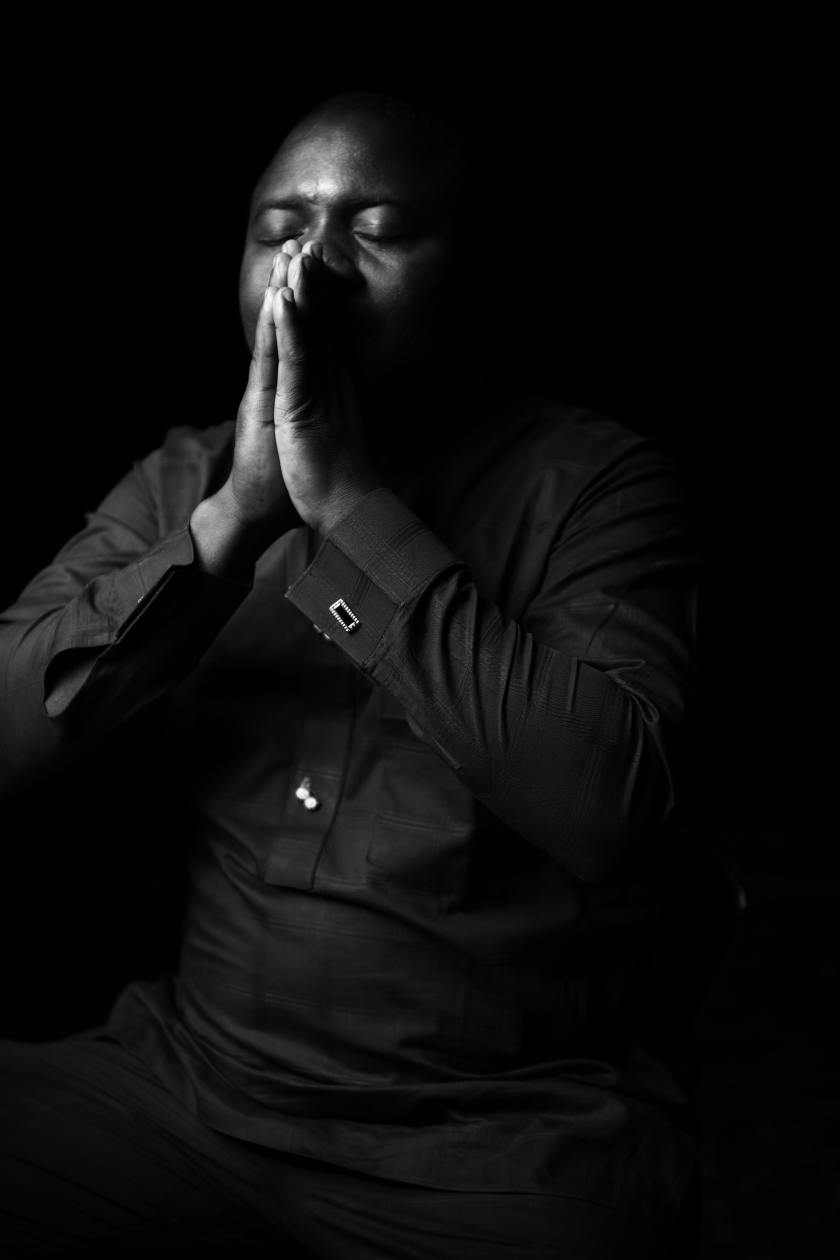
There’s passion, confidence, and expectation in the prayers and songs of these psalms.

  • “I cried aloud to the Lord…Arise O Lord! Save me, O my God!” (Psalm 3:4, 7).
  • “The Lord hears when I call to him (Psalm 4:3).
  • “O Lord, in the morning you hear my voice; in the morning I prepare a sacrifice for you and watch” (Psalm 5:3).

In these psalms, David audibly voices cries for help. After falling asleep, he rises with anticipation of God’s presence and steadfast love. His tone of voice is different than I typically hear in prayer. It’s different from my typical prayers.

Think about it. How much passion do you hear in prayer? Confidence? Anticipation? Not much. Certainly not much compared to David’s words. You may disagree, but most prayer sounds rote, listless, timid, vanilla, and generic. Too often my own sound that way.

First of all, that’s okay. In Romans, Paul admits he doesn’t know how to pray. Thank goodness for the Spirit who intercedes for us, who translates our awkward words into powerful prayers. (Romans 8:26,27).

Next, I believe we worry too much about what others will think of our prayers. Don’t. It’s not about them, but the Lord. You don’t need to infuse your prayer with a doctrinal statement. Just speak from your heart.

Finally, just read some psalms. They have a way of spawning the passion, confidence, and anticipation we may have lost somewhere along the way. Imagine sitting there with David as he sang about his experiences.

You’ve got the words. Just sing along. And then add your own stanza here or there.

Posted in Through the Bible Devotions

The right path

Photo by Lili Popper on Unsplash

A “through the bible” devotion from Psalm 1. Yes, we made it to the middle of the bible, the psalms. Lots of good stuff to come.

The contrast in Psalm 1 is clear: the way of sinners and the way of the righteous. Which would you choose?

The psalmist describes the blessed as those who avoid “the counsel of the wicked,” “the way of sinners,” and “the seat of scoffers.” And yet, those are the very things we choose over and above “the law of the Lord.”

Let me explain. We take advice from anyone out there on social media. We go along with the crowd even if we’re not sure we should. We scoff, mock, and speak derisively about anyone at the drop of a hat.

Guess which way we too often choose?

I don’t think we even realize how often we head down “the way of the wicked” (Psalm 1:6). I don’t think we realize what path we’re on until we’re a few miles down the road. And then when things aren’t working out so well, we wonder what went wrong.

So I guess the question is, how do I stay on the right path?

It’s the word. Delighting in it. Meditating on it. Drenched in it. Smothered in it. Infused. Smothered. Surrounded.

As many productivity gurus will tell you, it’s not habits or discipline, but the systems we have in place. A regular rhythm of devotion, prayer, and worship steers us a different direction than the influences around us. The Old Testament is filled with those worship rhythms, festivals, and feasts, leading God’s people down the path of life.

What systems do you have in place? What systems keep you on the right path?

Posted in Lent devotions, Stories

Use his words

“Scenes from the passion” Lent devotion for Monday, March 29, 2021. Photo by David Beale on Unsplash.

And at the ninth hour Jesus cried with a loud voice, “Eloi, Eloi, lema sabachthani?” which means, “My God, my God, why have you forsaken me?” (Mk 15:34) 

What do you pray when God feels far away? What do you say to him when everything hurts? What words do you use when you can’t find the words to express your doubts, fears, despair and pain?

The good news is that you don’t have to come up with any words. You can use his. You can let God’s words be your prayer. That’s what Jesus does. In the most painful, darkest, loneliest moment imaginable, Jesus speaks the words of Psalm 22, “My God, my God, why have you forsaken me?” (Psalm 22:1). Maybe he kept going, just in not so loud a voice, “Why are you so far from saving me, from the words of my groaning?”

We do that all the time. We say, “Our Father, who art in heaven…” the very prayer Jesus taught his disciples. We pray, “Come, Lord Jesus” from Revelation. We borrow the prayer of so many in scripture who said, “Lord, have mercy.”

Praying God’s word is an important reminder that prayer is a conversation. It is a conversation initiated by God. He speaks to us in his word, prompting our response to his powerful, living and active promises, lessons, songs and instructions.

As the very first families began to grow, “people began to call on the name of the Lord” (Genesis 4:26). The fabric of life has always included worship, prayer and praise. It was very much a part of Jesus’ life, too. When he was conceived, his mother sang a song of praise. When he was born, the angels sang. He grew up singing Sabbath psalms at home and festival psalms at Passover. He may have been singing one of them as he hung on the cross.

When we (or Jesus) pray the very words of God, it reminds us that God is not far away at all. When his word is in our heart and in our mouth (Deut. 30:14; Romans 10:8), he is still the one giving us life and breath and everything else we need to live at that very moment. We don’t have to go anywhere to find his presence. He comes to be with us. The Word became flesh to dwell among us. And he promised to never leave. Simply speak his word, and there he is, inhabiting our praises, keeping our way pure, lighting our path, and giving us life.

Heavenly Father, don’t leave me. Fill my songs, prayers and life with your word. Amen.

Posted in Lent devotions

Singing with Jesus

“Scenes from the passion” Lent devotion for Friday, February 26, 2021.

“And when they had sung a hymn, they went out to the Mount of Olives” (Mark 14:26).

What hymn do you think Jesus and the disciples sang on their way out of the city? Amazing Grace? Beautiful Savior? Just As I Am? Of course not. Those hymns wouldn’t be written for another few millenia.

It would have been a psalm. Maybe it was one of the Hallel psalms (Psalms 111-118), praising the Lord for his mighty works, his many blessings, and his steadfast love that endures forever. Remember, it’s the Passover, a festive time for remembering God’s powerful deliverance. The songs they sang that night they might have sung many times with their families growing up. They all knew them and loved to sing them.

Continue reading “Singing with Jesus”
Posted in Devotions, prayer

Why would you pray for bad things to happen to someone?

Have you every prayed that God would do something terrible to someone? I haven’t. Not ever. I didn’t think you were supposed to do that. But a few months ago, I was reading Psalm 109 and the author is asking God to do unthinkable things to folks who have lied, accused and attacked him:

  • Kill him, so his wife is a widow and his his kids to wander around begging for food!
  • Curse his ancestors and don’t let there be any future generations!
  • Let the banks and even strangers help themselves to everything he owns!
  • Make sure no one remembers that he even existed!

It’s one thing to pray and ask God to protect you from your enemies or make them go away. It’s another to petition Him to not only end his life, but make his family miserable, too!

Other prayer requests in the psalms call for horrible things to happen to bad people:

  • “Break the arm of the evildoer” (Psalm 10:15)
  • “Break the teeth in their mouth!” (Psalm 58:6)
  • “Let them be like the snail that dissolves into slime” (Psalm 58:8)
  • “Terrify them with your hurricane!” (Psalm 83:15)
  • “Let burning coals fall upon them! Let them be cast into fire.” (Psalm 140:10)

I don’t remember ever learning about this in classes on prayer. Nor do I teach anyone to do that. But these imprecations pour from the hearts of those who brought their petitions or sang songs to the Lord. That is why they are referred to as “imprecatory psalms,” which call for misfortune to happen to an enemy.

I don’t think these psalms show up very often in the propers of the day. Yet they are still very much a part of the inspired Word of God. They are also songs, lyrics that express the emotions and yearnings of God’s people. The authors are laying open their hearts in difficult times, turning to the one who declares, “Vengeance is mine” (Deuteronomy 32:35).

These kinds of psalms reveal our very human, very sinful nature. Sometimes we don’t feel like loving our neighbor, much less our enemy. We cry out for justice. We may not cry out to God, but we expect it from the governing authorities. So much is wrong in this world and we want a fix.

The “fix” isn’t always punishment, though. Sometimes the fix is mercy. Or forgiveness. Or kindness. Or sacrifice. Or redemption. When Jesus came, he brought with him some other options that aren’t as violent. He will take care of our enemies one day. Maybe not today, but one day. Just remember that the real enemy isn’t flesh and blood. The real enemy is spiritual. And He’s already won that victory.