
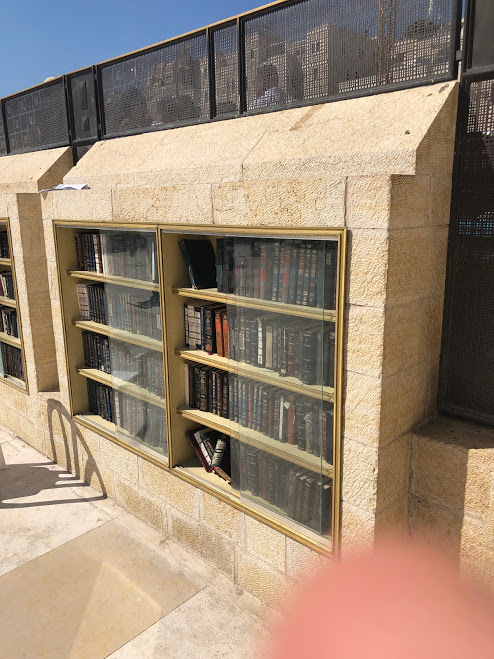

While at the Western Wall in Jerusalem, I was fascinated by the sight of these bookshelves and tables filled with what I believe are Jewish prayer books. So many shapes and sizes. Some look brand new. Others are well worn. I wanted to pick one up and page through it, but I felt super conscious of not doing anything touristy or offensive.
On the men’s side at David’s tomb, a room full of men were bowed over their prayer books. I assume these were also siddurim. Again, I tried not to offend and didn’t get all the pictures I wanted.
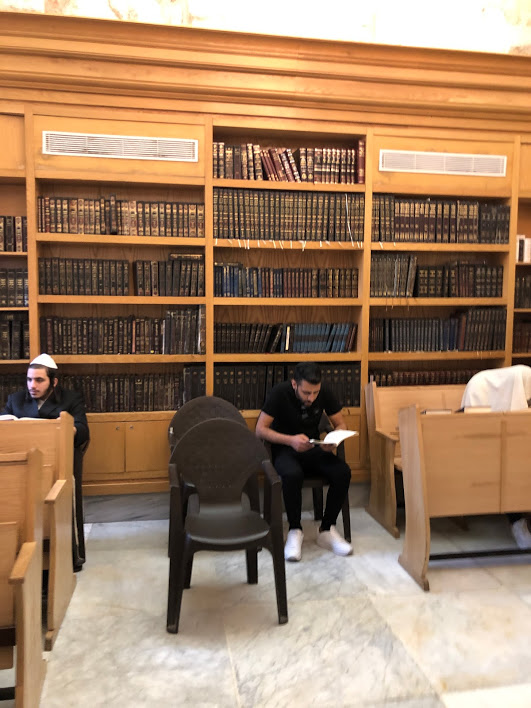

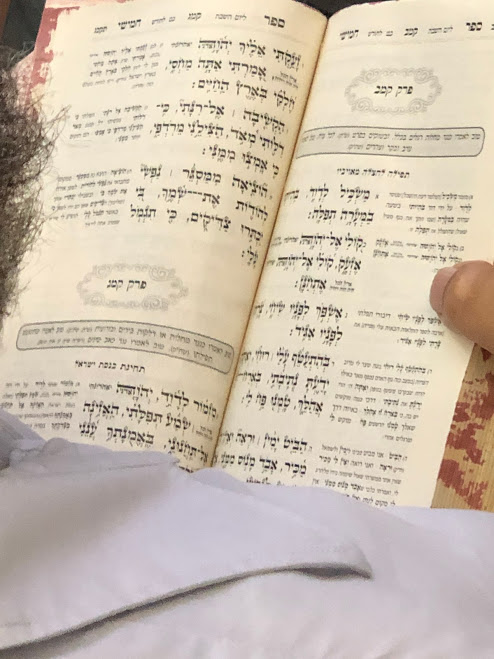
As I thought back to that moment, I wondered if I could buy a siddur, a Jewish prayer book. And sure enough, you can order one on Amazon. They have all sorts of sizes and shapes, new and used, many with parallel Hebrew and English pages for people like me.
I came across an interesting article on How to Choose a Siddur, or Jewish Prayer Book, and it’s not as simple as I thought. They have digital versions, and a variety of apps. There are versions that appeal to Orthodox, Conservative and Reformed traditions. There are versions that include commentary and devotions. There are gender-inclusive versions. There are some published specifically for the high holy days. There are very small print pocket versions, so I assume there’s large print, too. It’s not unlike trying to figure out what bible to buy in a store with a sea of different versions and publications!
I need to ask some of my Jewish friends. Did they get one as a gift at their Bar Mitzvah? Or have one handed down in the family? They would no doubt be surprised that I know just enough Hebrew to awkwardly find my way around a Siddur.
Watch for a future post after I get one and see what they are all about.





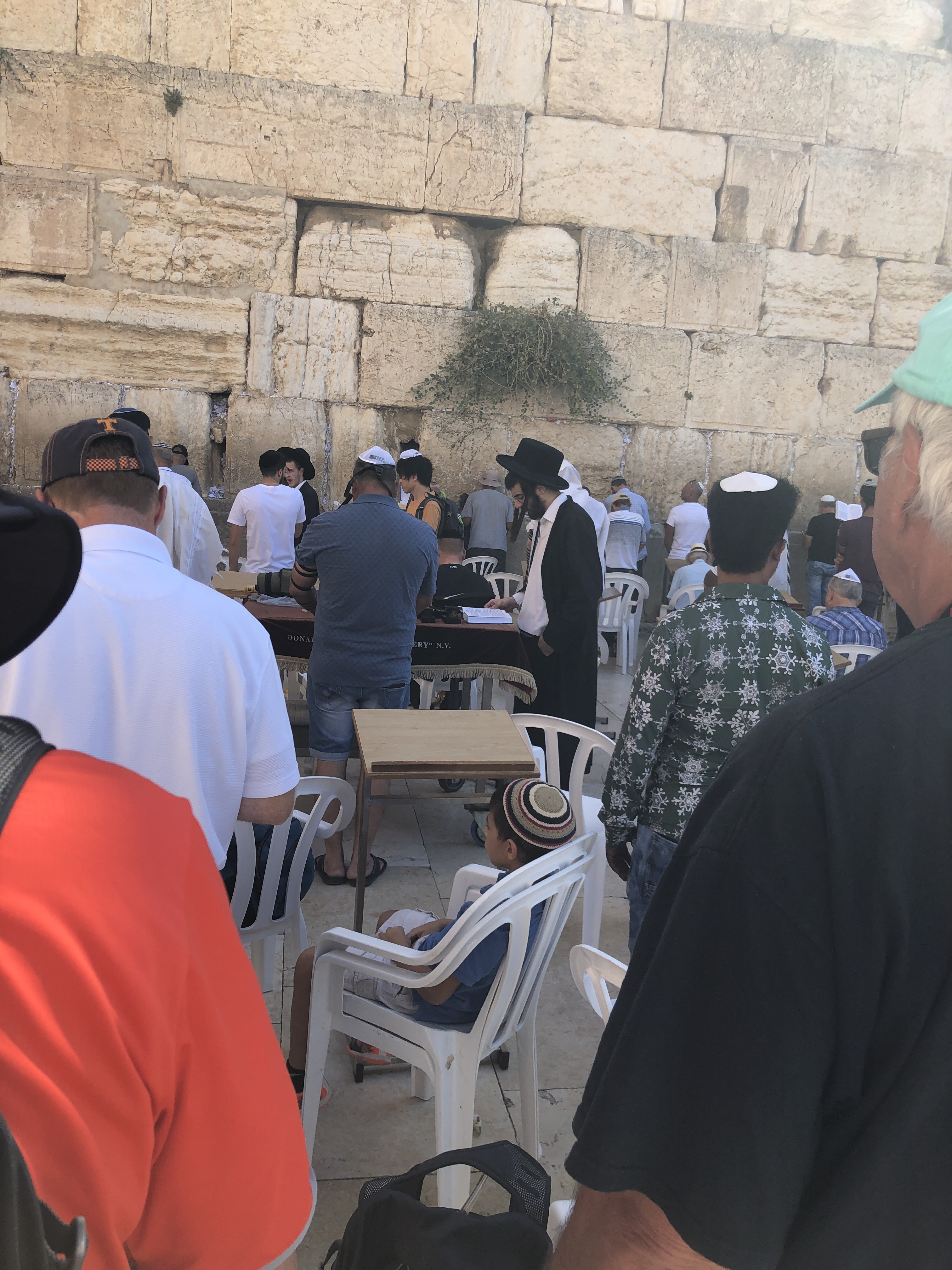
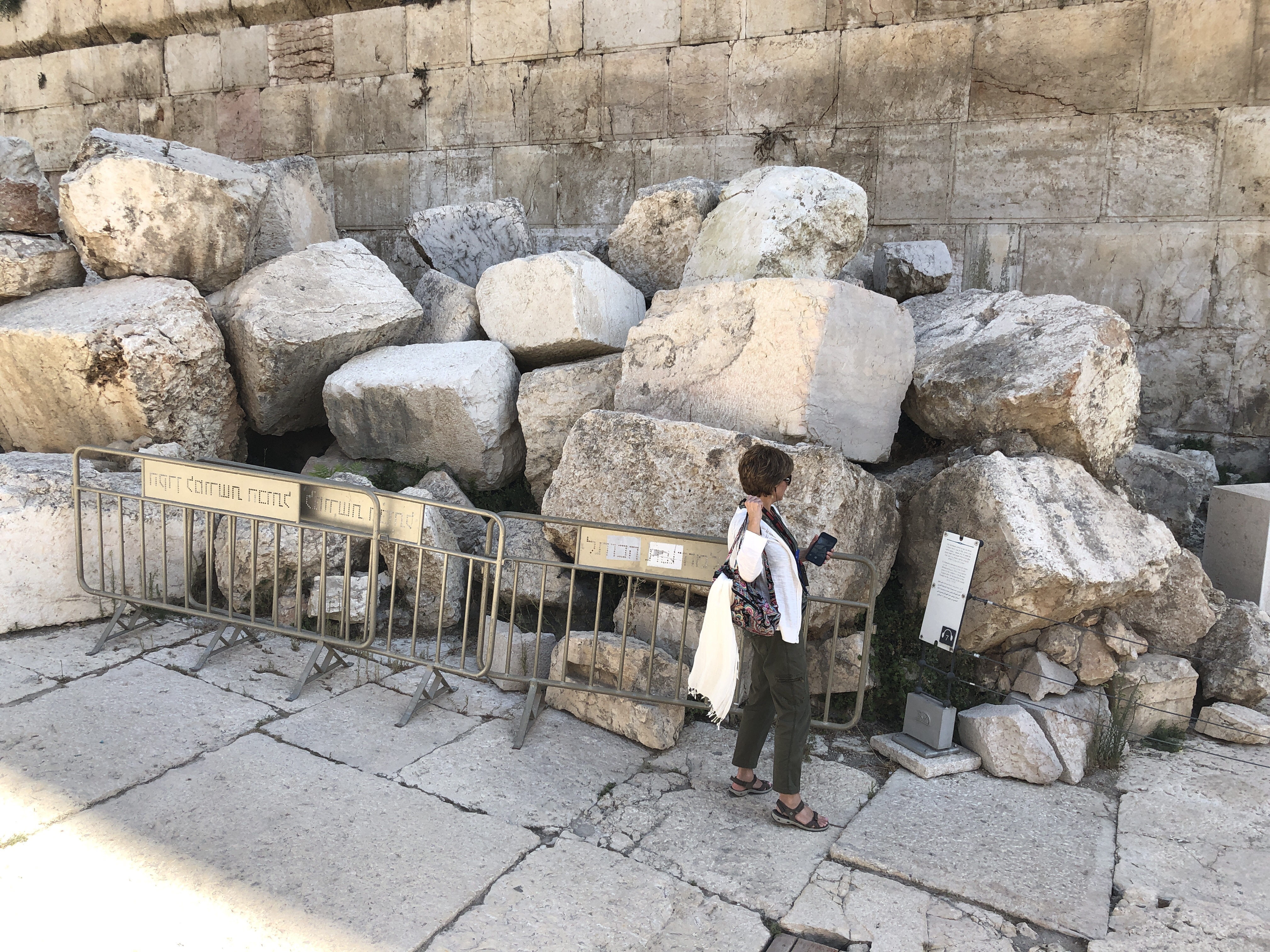 We walked further down the western side of the wall and marveled at the size of the stones used to build the wall over 2,000 years ago.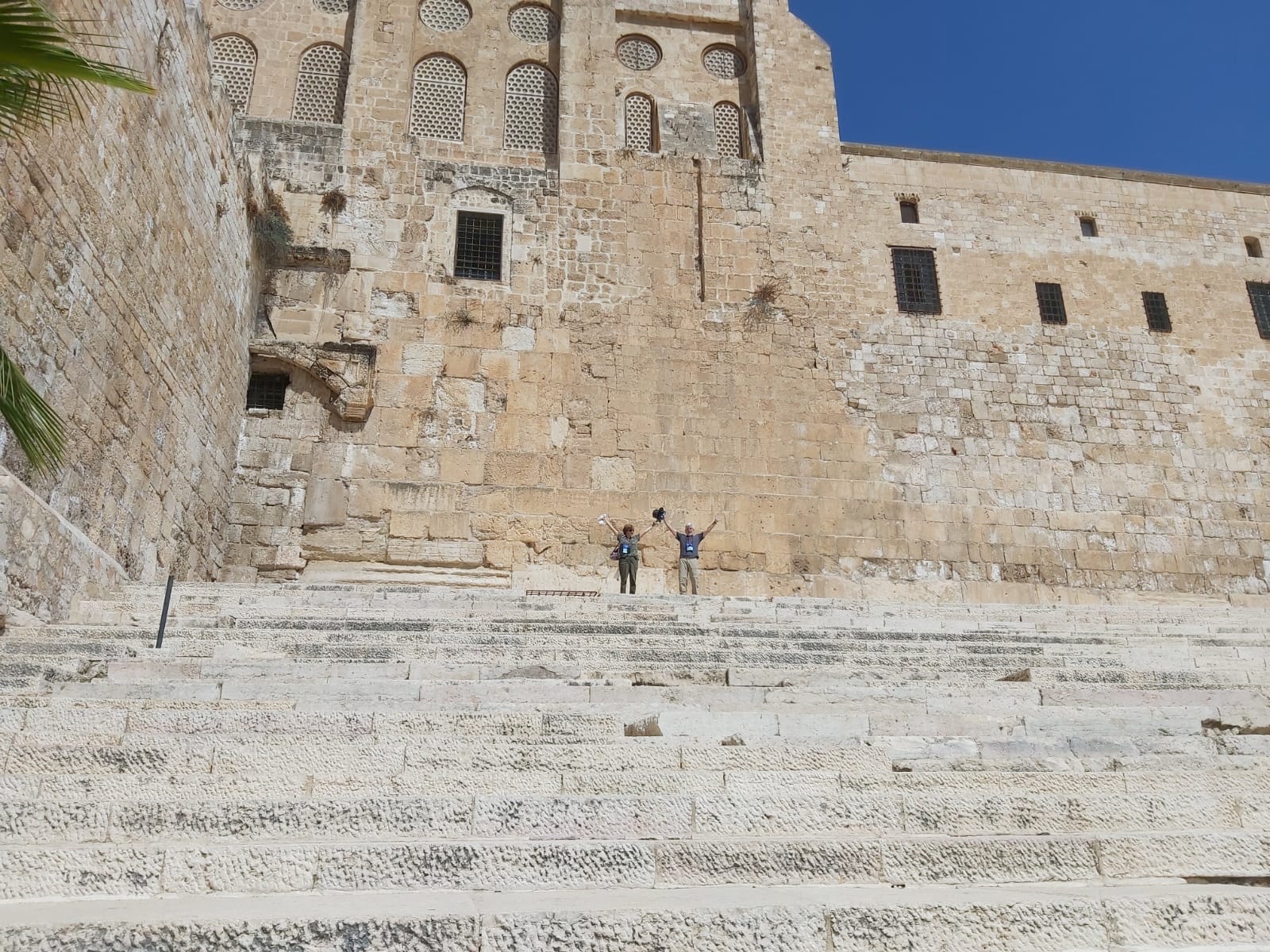
 Rounding the corner, my wife and I ran up the southern steps as had many pilgrims before us. The steps are different widths, to keep folks from running too fast.

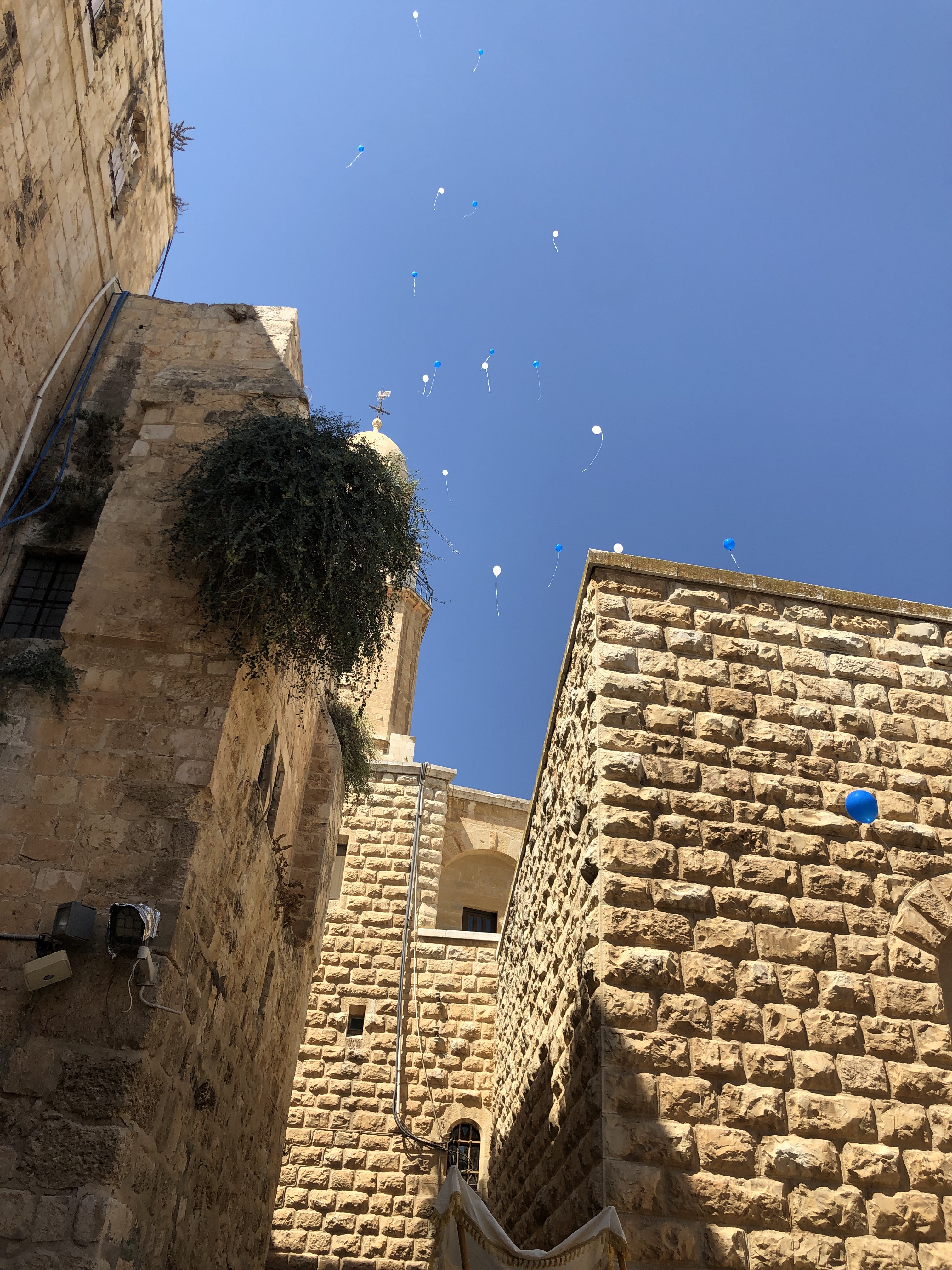 On the way to King David’s tomb, we ran into a special Jewish family celebration. A little three-year old boy was about to get his first haircut! He didn’t seem too happy about it, but the family and many bystanders joined in songs, cheering, and a blue and white balloon release.

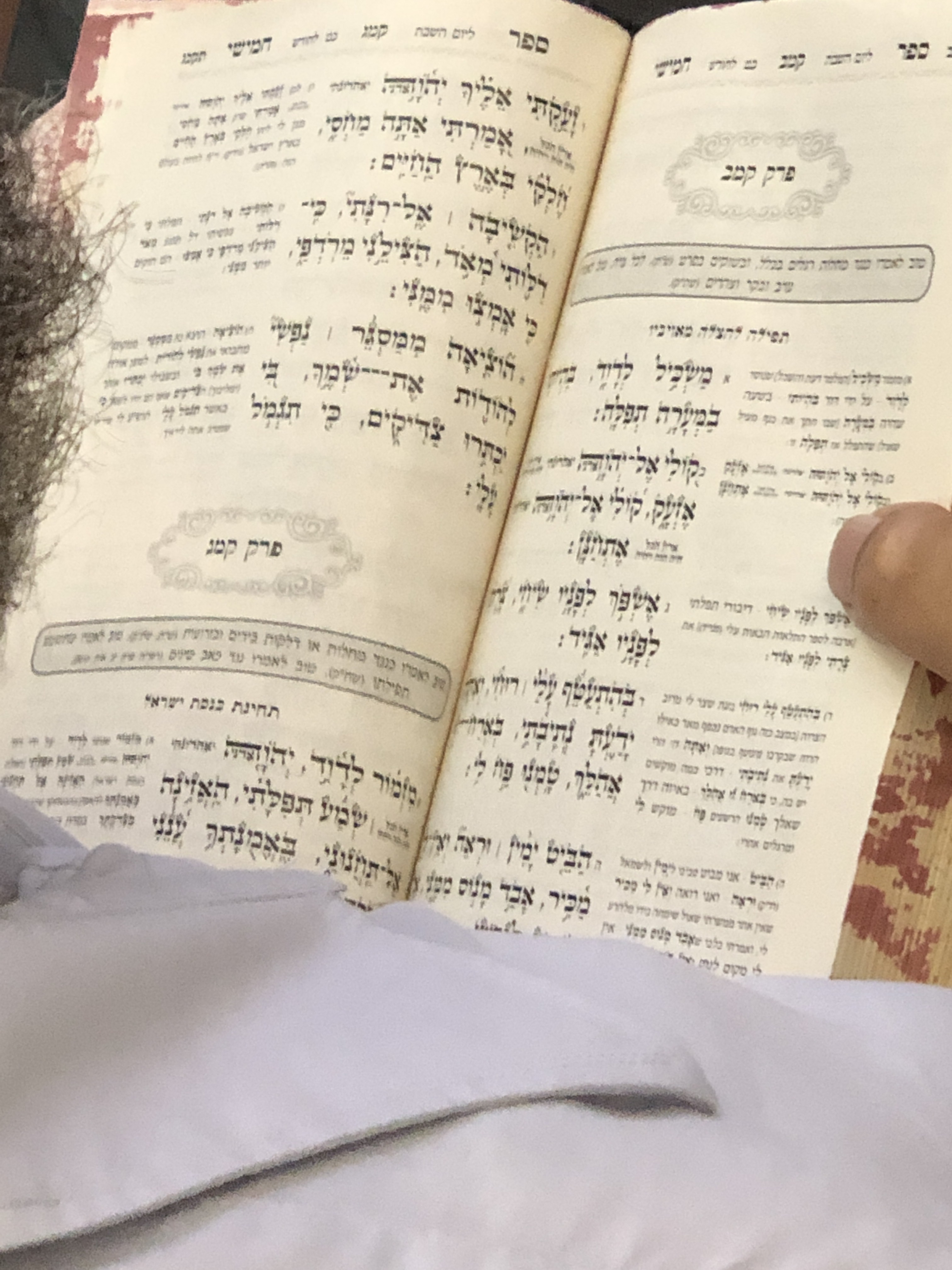 Even though King David probably isn’t buried there, I was fascinated by the location of his tomb. Men and women entered on separate sides. Chairs were filled with men praying and reading psalms. I appreciated the reverent atmosphere of that room.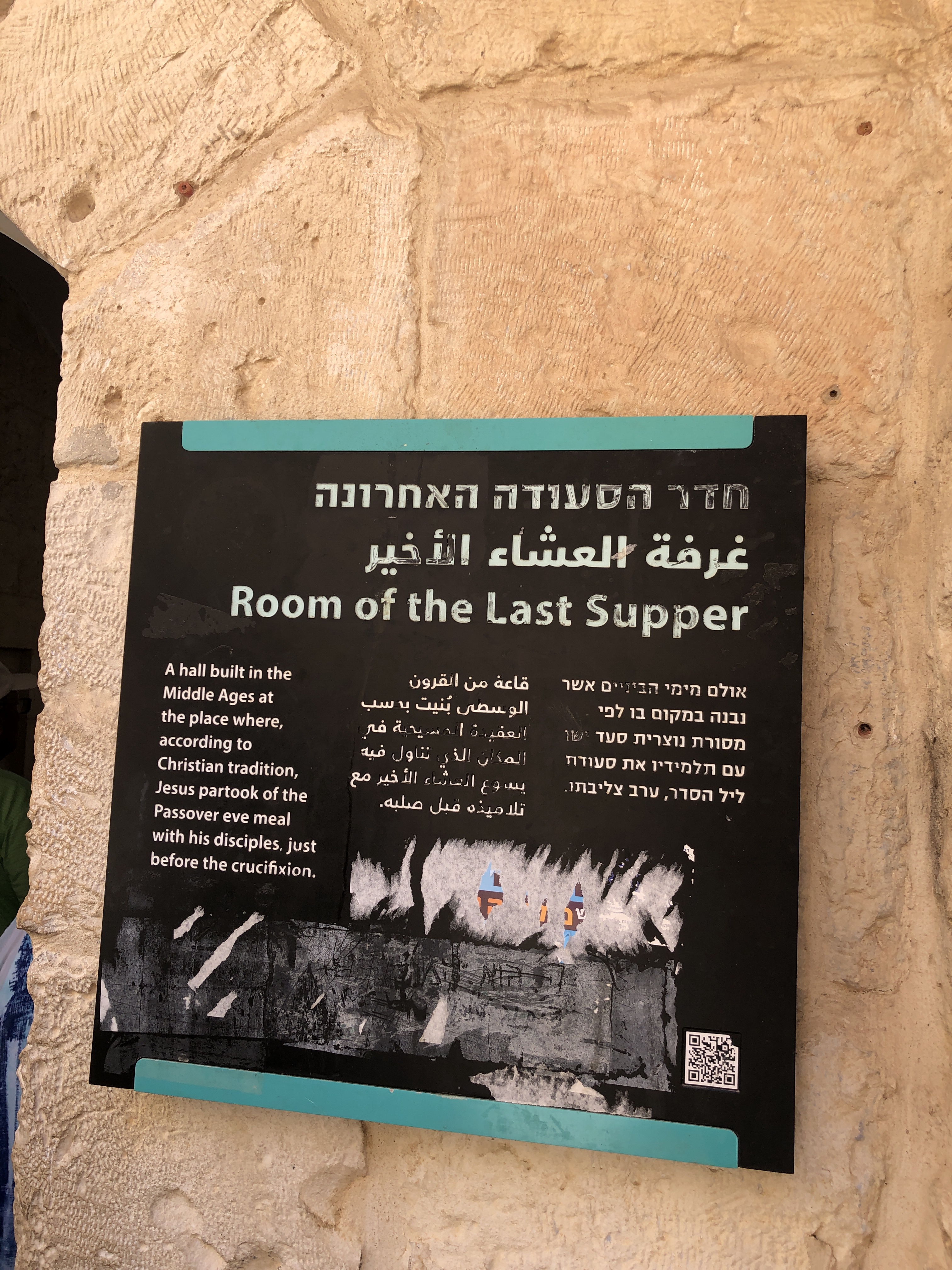
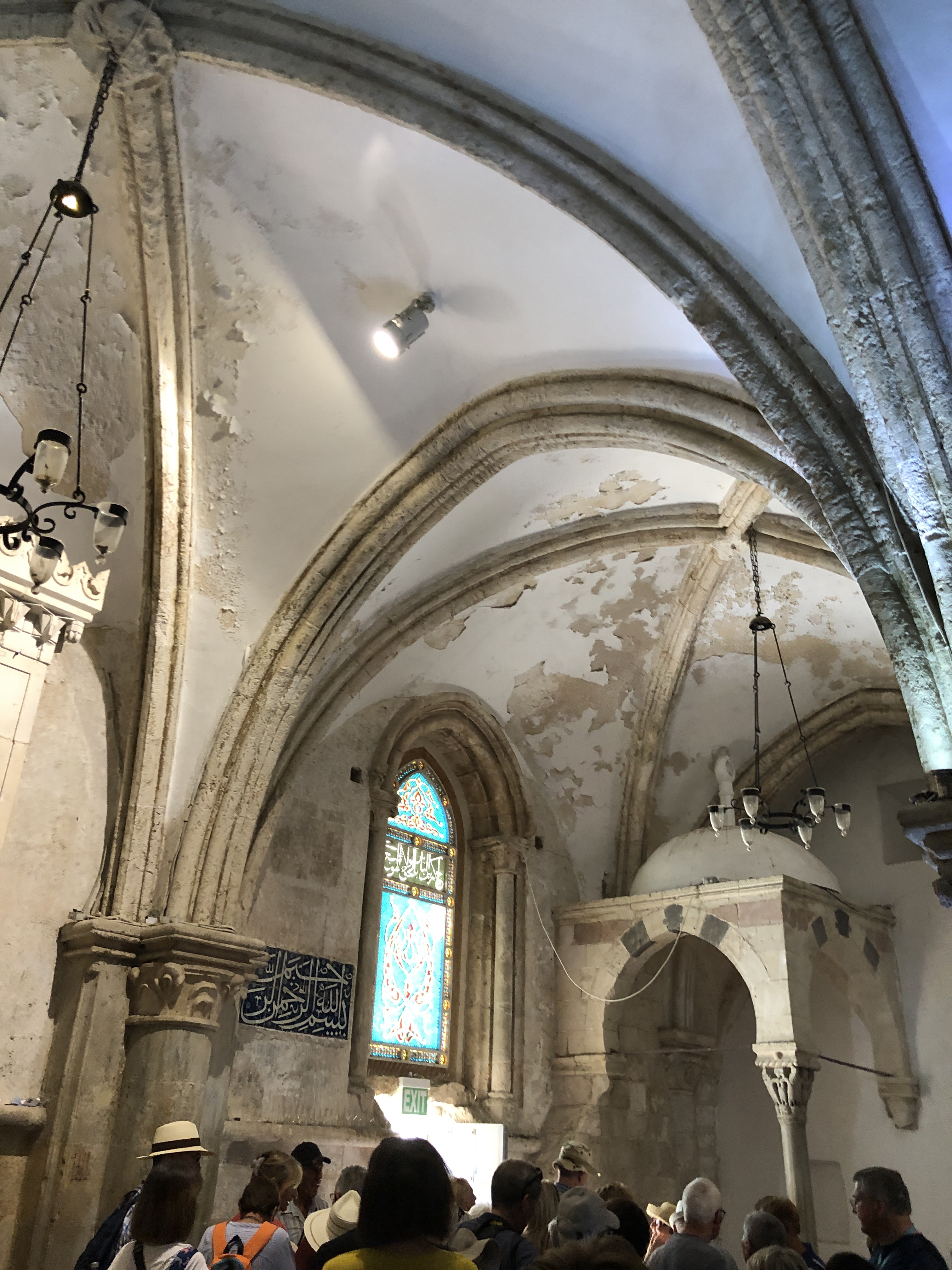 The upper room we visited probably wasn’t the site of Jesus’ Passover meal with his disciples, but we went to that place as well. More Muslim than Christian in design, it was much larger than I would have expected it to be.
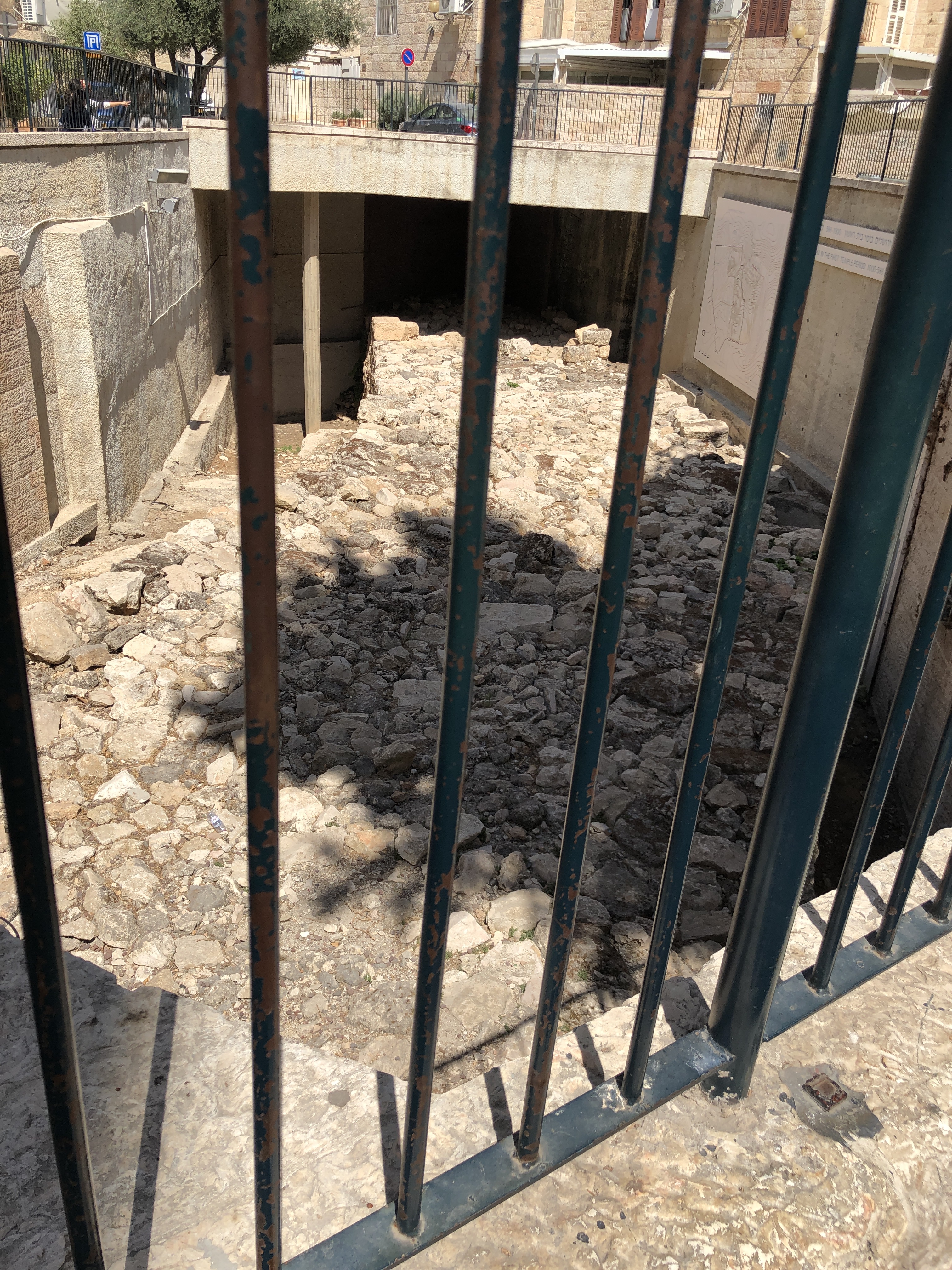 As we walked through the Jewish quarter, we paused to look at some of the old wall of Jerusalem, from the time of Solomon. There isn’t much from the first temple period, so I appreciated this ancient site.

 Caiaphas’ house is where Jesus was taken after his arrest in the Garden of Gethsemane and where Peter denied knowing Jesus three times. The house include some deep pits where Jesus May have been held prisoner before his trial. I read Psalm 88 to our group, and we thought about the only One we can cry out to for help when we’re “in the pit.”


 Waite for it...