Posted in cooking

What is that smell?

So it’s been three months since I last made some sourdough bread? I don’t remember. But suddenly, I wanted a slice. Slathered with butter. It’s time to get back in the game.

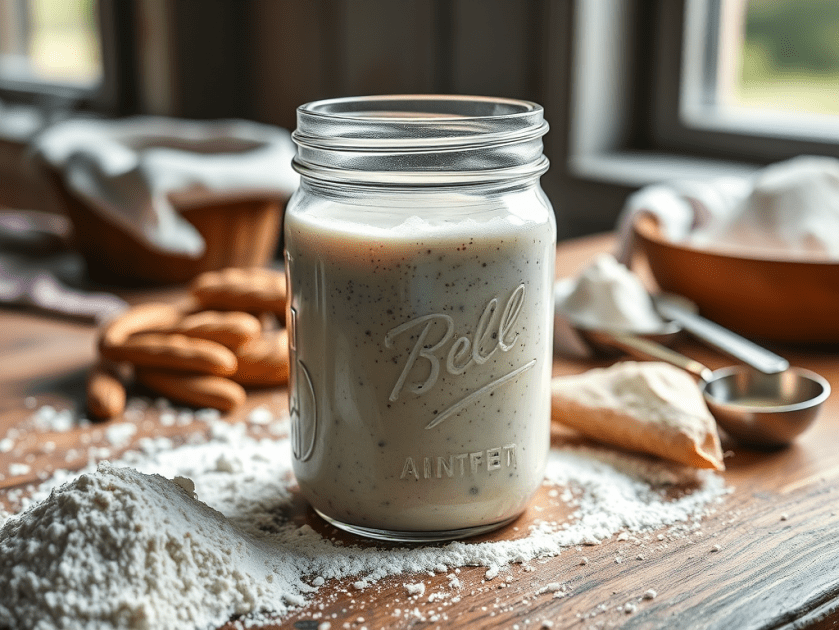
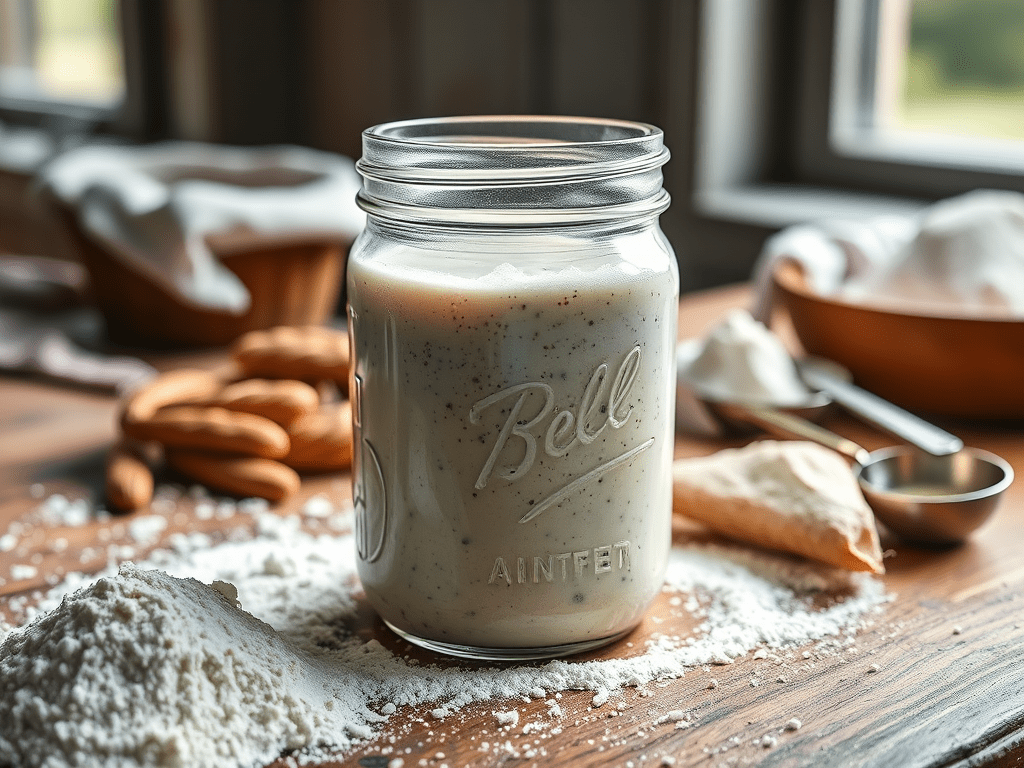
I had some starter in a mason jar in the refrigerator. The starter was harder than a block of cement in the bottom of the jar. It had a bluish tint. And it smelled strange.

I decided to start over. A little flour and water in the jar. Leave it overnight. Add a little flour and water. Repeat. Repeat. Repeat.

Three days later I started to feed the jar and caught a whiff of something really bad. Old socks? Unwashed feet? Cheese from the back of the fridge? I don’t know, but it was funky. This can’t be right.

So, of course, I Google “bad smelling starter. Guess what I? In the first days a starter will smell like old socks, sweaty feet, or worse. Nice. I’m on the right track. In a day or two, my starter will have that fmiliar yeasty smell, and I’ll be ready to bake.

Posted in cooking, Food

Valentine’s project: decorating cookies

With Valentine’s Day a week away, it’s time for decorating cookies! My wife made a nice selection of cut out sugar cookies which we packed up and took to my daughter’s house along with a nice selection of sprinkles. She made a batch of royal icing and her girls helped us decorate them.

Royal icing, made with confectioner’s sugar, meringue powder, water, and vanilla is a little different that the buttercream icing we’ve used before. It’s a little runnier at first, but then hardens nicely in less than an hour. While it’s still kind of liquid-y, you can dot it with another color or shape it with a toothpick for special effect. The sprinkles sink in nicely, too.

We had four colors of icing to work with: white, light pink, dark pink, and purple. The girls, aged five and three (the one-year-old was taking a timely nap), were more concerned about quantity than quality. They piped on plenty of icing and heaped on piles of sprinkles. Along with traditional miniature hearts and pink sugar, you’ll notice we had some unicorn heads.

Not every cookie that we decorated is pictured above. Some were eaten as soon as they were decorated. A few broke, so I had to eat them. I have no idea how that happened. A whole bunch of those teeny tiny little decorating balls rolled onto the floor. I have no idea how that happened either. But I know the family dog quickly took care of them.

We popped most of these cookies into the freezer to make sure the icing was hardened. Separated by sheets of wax paper, many but not all of them will make it to Valentine’s Day.

Part two of Valentine’s cookie decorating is coming up next week. The grandsons are up next. I have a feeling they’ll have a little less patience but a much bigger appetite.

Posted in cooking, Life

Where there’s smoke: Pay attention to the cooking oil you use

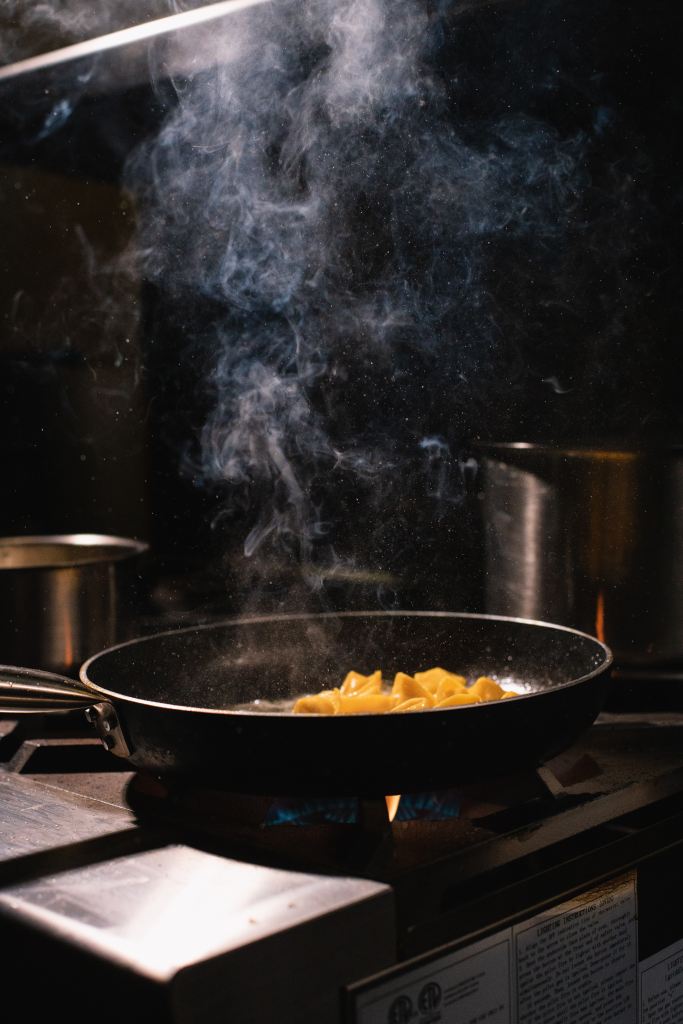
Photo by Duane Mendes on Unsplash

I was feeling confident about my culinary expertise when something as simple as cooking oil humbled me.

In my defense, it was not my kitchen, so I was using an unfamiliar pan, range, and ingredients. I was at my daughter’s house where my wife and I were staying with a couple of granddaughters while their mom gave birth to number three.

I brought a small ribeye steak with me for supper the first night. At home I would just throw it on the grill. No grill here, so I got ready to pan fry it. At home I would reach for my cast iron frying pan. My daughter had a very nice set of stainless steel cookware. A pan’s a pan, right?

I let it warm up on medium heat while I ground a little salt and pepper onto the meat. Holding my hand over the pan, I could tell it was ready. I grabbed the non-stick spray from the cabinet and gave the pan a quick shot. Even though I quickly took it off the burner, a cloud of smoke filled the kitchen. I turned on the fan only to discover it wasn’t vented to the outside. The smoke alarms started beeping, my wife open the sliding glass door to the backyard and tried to fan the bad smoke out and the good air in. The oldest granddaughter asked, “What are you doing, grandpa?”

It looked like I had no idea what I was doing. I did recover and the steak tasted great. The pan was a pain to clean. I had much to learn about cooking with oil.

I did some quick research online. If I’m are cooking at high temperatures, refined avocado, safflower, and light olive oil work well. At medium temperatures, use corn, coconut, sunflower, and canola oil. Vegetable shortening, extra virgin olive oil, and butter are for lower temperatures. I’ve got a lot to learn, though. Some of those oils taste better certain sauces, marinades, and dressings than others.

For the next two days, the odor of burning oil greeted my nose every time I walked into their house. However, as we packed up to leave today, the smell was just about all gone. Whew.

Posted in cooking, Life

The joy of rhubarb

Photo by Heather Barnes on Unsplash

I had heard of rhubarb. My dad used to speak of it. I had seen a “rhubarb” break out at a ballgame when players poured out of the dugout to trade blows on the field.

But the first time I encountered rhubarb was in Iowa. I’m a city mouse, born and raised in suburban Philadelphia. Iowa was all about farming, where my wife, the county mouse, would feel at home. We moved into our Iowa home in the late spring of 1991. As soon as the snow melted and the days got longer in 1992, the rhubarb sprouted in our backyard. The red celery-like stalks and large green leaves baffled me. What was this?

We lived in Iowa for five years and learned that you don’t have to do anything to grow rhubarb. It sprouts and grows every spring and produces magnificent plants. The big question: what do you do with rhubarb?

The easy answer: make a pie. Rhubarb pie. Strawberry rhubarb pie. My wife makes an incredible pie crust using her grandmother’s recipe. And she made some incredible rhubarb pies. The second secret to a great rhubarb pie? Lots and lots of sugar. (The first secret is to use ice water when you make the crust.)

A straight rhubarb pie is delicious. But beware, it will clean you out. (You know what I mean.) Strawberry-rhubarb is delicious, too, with a little more natural sweetening and a little less natural fiber.

Fast forward to 2023. We’ve been living in Florida for 26 years. Rhubarb doesn’t grow in Florida. But strawberries do. And they are ripe and plentiful in March. We went to a strawberry festival last weekend and bought a flat. that is twelve pints of strawberries. I bought that flat with my wife’s promise, “I’ll make you a strawberry rhubarb pie.” Deal.

So I head off to the store to buy rhubarb. Every once in a while I can find frozen rhubarb in the freezer section of the store. No such luck on this trip. Well, maybe it’s in the frozen vegetable section. Nope. I finally asked a manager, “Sometimes you have rhubarb – where would I find it?”

He whipped out his smartphone and checked the inventory. “We’ve got fifteen pounds in produce.”

“Ok,” I said, “I’m headed over there.” At the other end of the store, I asked another manager, “Do you have any rhubarb?”

He disappeared into a cooler and came out with a huge box. “How much do you need?”

“Not that much,” I replied. “How about a pound?” He cut and wrapped up about 8 nice stalks and I was on my way home with fresh rhubarb.

The secret to baking rhubarb, besides lots of sugar, is peeling the strings off the back of the stalks. As my wife laboriously peeled, she said, “That’s the virtue of frozen rhubarb – no peeling.”

This year’s strawberry-rhubarb pies (a big one and some little ones) are in the oven. I’ll let you know exactly how delicious they are!
Posted in cooking, kitchen

Gettin’ zesty with it

Right after we went and picked ten pounds of blueberries, I made scones with a recipe that called for orange zest. Not knowing any better I shouted, “Hey, do we have any orange zest?”

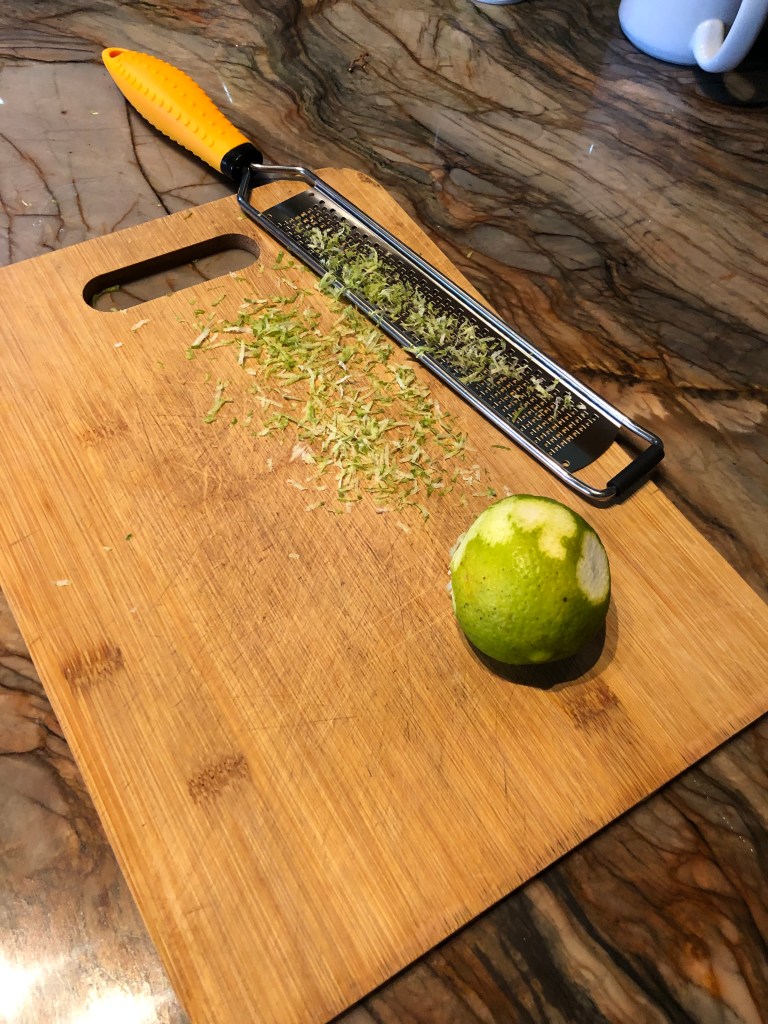
Of course not. You zest an orange, or a lemon, or a lime, to get the zest, little pieces of the rind, for flavoring in cooking. Okay, so how do I obtain some zest? Duh. With a zester. “Honey, where’s our zester?”

After rummaging around in the kitchen, I found this trusty and rusty old four-sided grater that might work. I don’t even remember using this before. The smallest and the largest sides didn’t seem right, so I tried second largest one. It kind of worked, but quickly got jammed up with rind. What about the next-largest one? Those pieces of rind were a little large, so I had to chop them up finer with a knife.

Time to level up. This looked like a good zester. Amazon choice. Pretty cheap too.

But not cheaply made. Sturdy, curved, stainless, and easy to clean, this ought to do the trick. Before I received it, the seller sent along instructions and tips. Lightly oil the grater. Be sure to wash the fruit. Only zest the colored part of the rind, avoid the white.

Worked like a charm.

I wondered who came up with the idea of using citrus rind in this way? Here’s what I learned:

According to SPICEography, people began incorporating lemon zest in recipes around the 15th century, but the word “zest” didn’t become a part of cooking vocabulary until the 17th century. French culture popularized lemon zest as a key ingredient for sweetening and flavoring pastries. Today, lemon zest is a commonly used, highly versatile ingredient that is used in both sweet and savory dishes. (Read More: https://www.mashed.com/893002/the-untold-truth-of-lemon-zest/)

More and more of my cooking, especially E2M recipes and seasonings, use lemon and lime zest. Now I’m zesting with the best!