Posted in Devotions, Lent

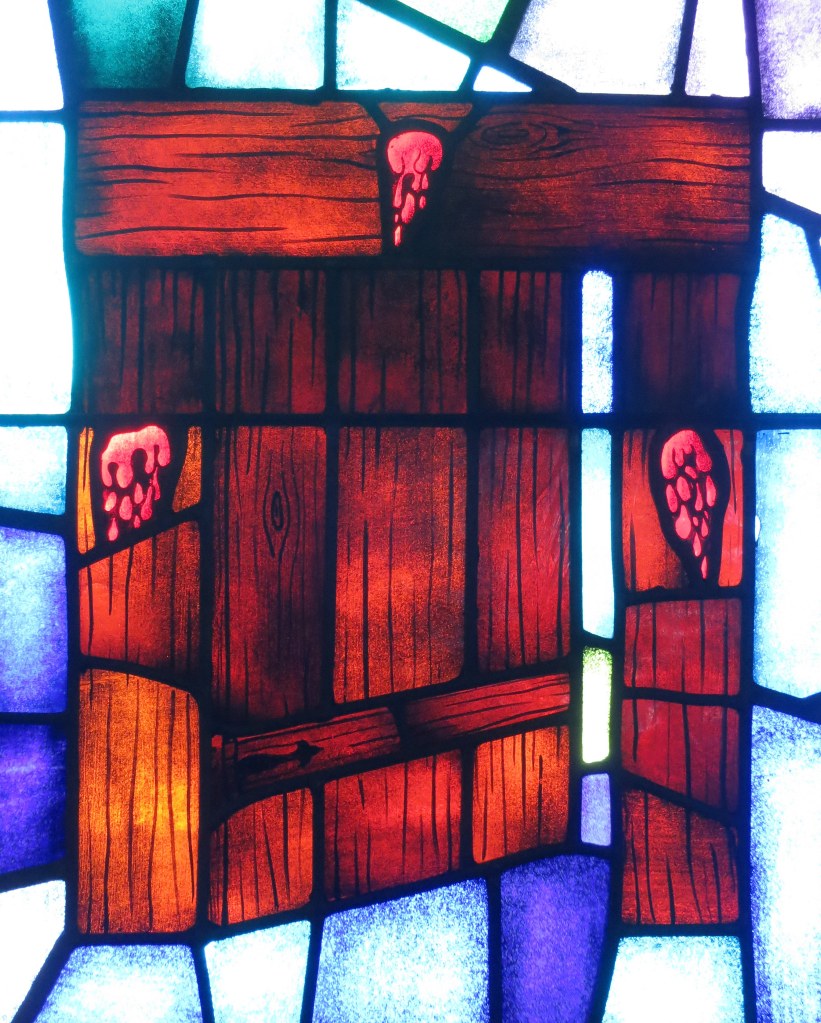
2020 Lenten devotion #9 – Blood around the door

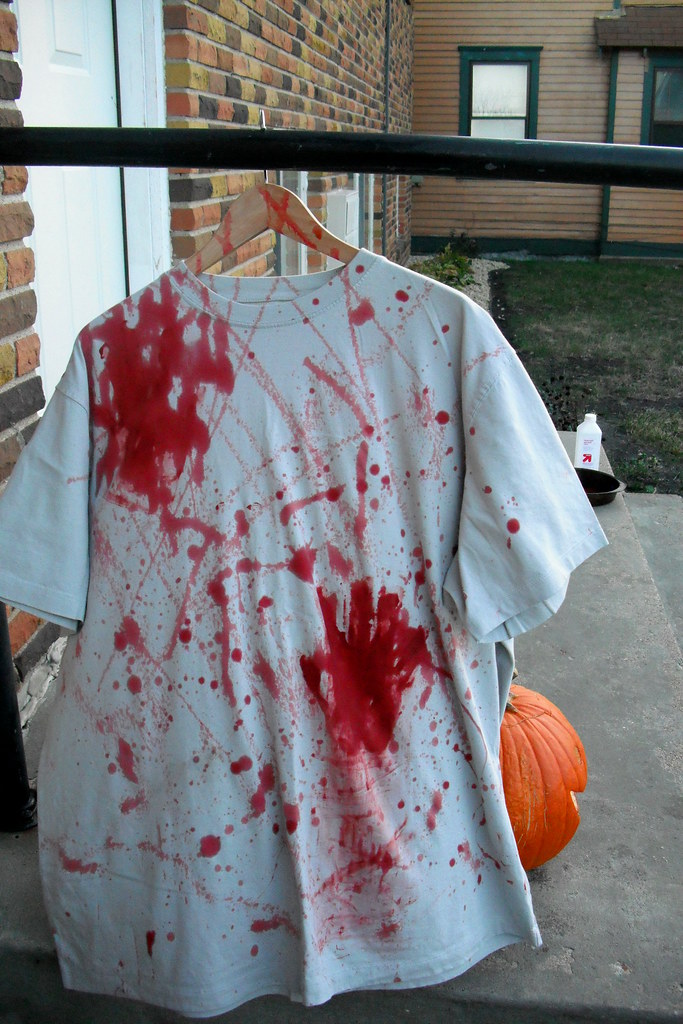
“Then they shall take some of the blood and put it on the two doorposts and on the lintel…The blood shall be a sign for you, on the houses where you are. And when I see the blood, I will pass over you, and no plague will befall you to destroy you, when I strike the land of Egypt.” (Exodus 12:7,13)

The moment of truth has arrived. The first nine plagues did not persuade Pharaoh to let the people of Israel go free. Frogs, locusts, disease and darkness did not budge his resolve. The tenth plague would. All the firstborn of man and beast would die throughout Egypt.

But every Hebrew household would kill a lamb, drain its blood, and smear the blood around the doorframes of their homes. Death would pass over their homes that night. No one would die. Plus, they should start packing. It was finally time to leave!

Every spring for generations God’s people would eat a “pass over” meal to remember that night and remember God’s deliverance. Jesus ate that meal with his disciples on the night before he was betrayed. That night he told them it was his blood that delivered them from death. They would soon see his blood running from the wounds on his back, the thorns on his head, and the nails in his hands and feet as he hung from the cross. It is the blood that would once again cause death to pass them by and instead take the life of their Lord, the perfect Lamb of God.

How much sleep do you think they got that night? The Egyptians probably slept just fine. They refused to acknowledge what God could do. As the oldest in my family, I would have tossed and turned all night, wondering if that blood would save me. It would be like one of those nights when the hurricane is passing over, and you wonder if the roof will indeed stay attached to the house.

What a great reminder of God’s grace and deliverance each time I eat and drink the bread and the wine, the body and the blood of Christ. I can always sleep easy, because I know tomorrow’s going to be a great day!

Thanks for the blood, the “pass over” and this sign of your great love, Lord. Amen.

Posted in Devotions, Lent, Ministry

2020 Lenten devotion #8 – Water into blood (part 2)

Photo by Jack Anstey on Unsplash

“Thus says the Lord, ‘By this you shall know that I am the Lord: behold, with the staff that is in my hand I will strike the water that is in the Nile, and it shall turn into blood.’”

Moses has a huge task ahead of him. He is to go to Pharaoh and tell him to let God’s people, a nation of slave-laborers, to go free. Moses knows this will not go over well with the sovereign of Egypt. Pharaoh will need a little convincing. The first of ten plagues on Egypt will be turning the waters of the Nile into blood.

That sounds disgusting, doesn’t it? No water to drink, no water to wash your clothes in, no water for bathing. All the water is now thick, red, blood. It clots. It stains. It turns your stomach. Some faint at the sight of blood. Some scream in horror. The thought of a thick red substance trickling from the tap would be enough to convince me to comply with whatever a prophet of God demanded!

We are so blessed to have access to fresh, clean water in our homes. There are too many places in the world where clean water is not readily available. The same rivers from which you draw water for drinking and bathing are used for laundry and toilets. The water you walk hours to obtain is laden with dirt and disease. But you have no choice. For better or worse, that is the only water available to you.

In scripture, paradise (Eden) was found near rivers. Life giving water flows through the city of God in Ezekiel and Revelation. Jesus invites the thirsty to come to him and drink. There is nothing quite like a tall cool drink of water when you are thirsty. There is nothing like the life-giving water of Jesus to quench your soul’s thirst for his grace, either.

Thank you, Lord, for the water that quenches my thirst. Amen.

Posted in Devotions, Lent, Ministry

2020 Lenten devotion #7 – A bridegroom of blood

Photo by GoranH on pixabay.com


“At a lodging place on the way the Lord met [Moses] and sought to put him to death. Then Zipporah took a flint and cut off her son’s foreskin and touched Moses’ feet with it and said, ‘Surely you are a bridegroom of blood to me!’ So he let him alone. It was then that she said, ‘A bridegroom of blood,’ because of the circumcision.” (Exodus 4:24-26)

God has come to speak to Moses in the burning bush on Mt. Horeb (Exodus 3:1-4). Though Moses doesn’t think he’s up to the task, God insists, equipping and empowering him to go and speak to a hard-hearted Pharaoh.

Before the mission can commence, though, Moses’ wife Zipporah must circumcise their son,  prompting her to call her husband a “bridegroom of blood.” For some reason, Moses had not circumcised his son, but his wife knew they weren’t going anywhere until they took care of that part of God’s covenant. Moses cannot assume his role as leader and law-giver of God’s people unless he and his family are compliant with the covenantal law themselves. For Zipporah, the daughter of Jethro for whom Moses tended sheep, her marriage just got a lot messier as her husband took on his role as leader of the Hebrew people. Both her marriage vows and God’s promises involved a bit of blood!

In our roles as spouses, parents and believers in the Lord, we must always apply God’s commands and promises to our own lives before we impose them on others. We must understand the depth of our own sin and the abundance of his great love for us before we communicate that with others. 

The New Testament image of Christ as the groom and his church as he bride is one way to understand his commitment to us and our salvation. He gave himself up for the church so “she might be holy and without blemish” (Eph. 5:27). He becomes a “bridegroom of blood,” sealing God’s covenant for us.
Jesus also reminds us to take care of the log in our eye before we worry about the speck in someone else’s eye. In other words, get your own act together before you worry about another person’s life. 

Great advice we can track all the way back to Moses!

Thank you, Lord, for being a bridegroom of blood to me. Let your commands and promises shape my life. Amen. 

Posted in Devotions, Lent, Ministry

2020 Lenten devotion #6 – Water into blood (part 1)

Photo by Henry Be on Unsplash

“If they will not believe even these two signs or listen to your voice, you shall take some water from the Nile and pour it on the dry ground, and the water that you shall take from the Nile will become blood on the dry ground.” (Exodus 4:9)

So Moses has to convince an entire nation, all of Israel, that he is to be their leader who will bring them out of slavery. Not an easy task.

No problem. God will give you a few tools, a few impressive feats to convince them. A staff that turns into a serpent. A hand that becomes leprous and then whole again. And water from the Nile that turns into blood. You got this Moses!

You had me at “staff into serpent.” You have that kind of power at your disposal? I’m all ears. When do we leave? What should I pack?

Well, maybe. How did he do that? Is this for real? In a world of lies, fake news and scams, who do you believe? Who’s telling the truth? Who should you listen to? We’ve got scripture, history and eyewitnesses to shape our faith. Israel had ancient legends, bedtime stories and desperate prayers. We still have our doubts. So did they.

One way or the other, God was going to deliver his people. It didn’t matter whether or not they believed. It didn’t matter if Moses had to pull out all of the tricks God gave him. These folks were not going to stay in Egypt. They were going home. And they would know that it was God who made all the travel arrangements.

Drops of blood on the ground where Jesus was flogged and where he was crucified testified to the power of God to save us. Travel arrangements, right? Because of that blood, we’ll get to go home, too.

Chances are you’ll pour out some water today and it will turn into coffee, tea, lemonade or soup. We take those things for granted, but it’s really amazing when you think about it. Maybe one of those things will remind you to recall the powerful things God has done and the travel arrangements he’s made for you for eternity!

Thanks for the tickets to go home, Lord. Amen.

Posted in Devotions, Lent

2020 Lenten devotion #5: A day of reckoning

Photo by Hudson Hintze on Unsplash

Reuben answered them, “Did I not tell you not to sin against the boy? But you did not listen. So now there comes a reckoning for his blood” (Genesis 42:22).

Reuben and his brothers are in big trouble. All but one of them traveled to Egypt to buy some food. But now they are accused of being spies! They must leave a brother behind and bring their youngest brother back. They are convinced they are reaping the consequences of selling their brother Joseph to a caravan many years before. They don’t know he’s alive. They don’t know he’s standing right there in front of them. They think it’s their day of reckoning for his life. That day still haunts them after all those years.

I’ll bet all of us can identify some bad choices, decisions and sinful behavior that we believe we are paying the price for today. Getting into debt, words that destroyed a relationship or an arrest on your record. A lie, a purchase or a hasty decision you now regret. We know there will be a day of reckoning. Sometimes it feels like that day is today.

Never forget that your day of reckoning was that day when Jesus was nailed to a cross. That’s when God dealt with your sin. Jesus stood in for you and took the punishment. It wasn’t pretty. It was bloody. But it means that it’s over. Today might be hard. It might be painful. It might be a nightmare. But it’s not payback. It’s life.

We all have regrets. We all wish we could go back and do it differently. But we can’t. What a blessing to know that when it’s all said and done, God still loves us. He still cares, protects. preserves and blesses us. Yes, I will have seconds of his grace!

Thank you, Lord, for being there for my day of reckoning. Amen.

Posted in Devotions, Lent, Ministry

2020 Lenten devotion #4: Goat blood instead of Joseph’s

“And Reuben said to [his brothers], ‘Shed no blood; throw him into this pit here in the wilderness, but do not lay a hand on him’—that he might rescue him out of their hand to restore him to his father. “(Genesis 37:22)

“Then Judah said to his brothers, ‘What profit is it if we kill our brother and conceal his blood?’” (Genesis 37:26)

“Then they took Joseph’s robe and slaughtered a goat and dipped the robe in the blood.” (Genesis 37:31)

Joseph’s eleven brothers are ready to kill him, throw him in a pit and tell everyone that a wild animal had eaten him (Genesis 37:18-20). They are so jealous and so tired of hearing about Joseph’s grandiose dreams that they are ready to murder him! And you thought your family was dysfunctional!

Reuben, the oldest and supposedly responsible, begs them not to shed any blood. He wanted to come back and rescue him later. Judah has second thoughts, too. Would it really do them any good to kill Joseph? Instead they stage his death, sell their brother to a passing caravan, and soak his robe in the blood of a goat. This would explain his disappearance to their father. 
A little blood is all it takes to solve their problems. They’ve gotten rid of Joseph and gotten away with his disappearance. Would they be able to sleep at night? Well, that’s a different story. 

A little goat’s blood will also save their skin a few years down the road. When they desperately show up in Egypt, Joseph will save his family by selling them some food. Good thing he was still alive!

You never know when that person you don’t like, can’t stand or even hate will be someone who will help you out someday. God has a way of using folks to provide, protect and preserve our lives. They despised and rejected Jesus, didn’t they? And he’s the very one who saved their lives!

Thank you for all the people who help me out Lord, especially your son, Jesus. Amen. 

Posted in Devotions, Lent

2020 Lenten devotion #3: Blood is life

Photo by Jose Murillo on Unsplash


“But you shall not eat flesh with its life, that is, its blood. And for your lifeblood I will require a reckoning: from every beast I will require it and from man. From his fellow man I will require a reckoning for the life of man. ‘Whoever sheds the blood of man, by man shall his blood be shed, for God made man in his own image.’”  (Genesis 9:4-6)

In the wake of the flood, God somberly charges Noah and his sons with responsibility for the lives of others. That is a serious charge. But God is serious about life. He knows that once blood is shed, more blood will be shed. Rather than a world of bloodshed, God wants us to look out for each other. “From his fellow man (and even from the beasts!) I will require a reckoning for the life of man.” 

That’s not my natural instinct. I am prone to look out for myself much more than the lives of others. Clearly, I shouldn’t do that. My life is tied up in the lives of others. We’re in this together. If I’m not concerned about those around me, I can’t complain when something happens to me. 

If you can’t stop the bleeding, someone is going to die. As long as the heart pumps blood through our bodies we are alive. If my heart can no longer do the job, I die. Blood is necessary for life. 

Jesus was born into a world where life was cheap. Get in the way of a Roman soldier and you would soon experience the sword. It doesn’t bother them at all. They won’t lose any sleep. Your life had little value to them. 
But our lives are precious to God. You see, we were created in his image. When someone takes a life, from the unborn to a family next door to a hospital patient or an enemy in war, it is an affront to him. You are taking a swipe at God himself. Of course, it doesn’t harm him. But it hurts him deeply. He loves you that much. 

So never forget how precious life is. Never take life for granted. God doesn’t. 

Lord, teach me to value life as much as you value mine. Amen.  

Posted in Devotions, Lent

2020 Lenten devotion #2: The blood of Abel

Photo by geralt on paxabay.com

Photo by geralt on paxabay.com
“Now Abel was a keeper of sheep, and Cain a worker of the ground. In the course of time Cain brought to the Lord an offering of the fruit of the ground, and Abel also brought of the firstborn of his flock and of their fat portions. And the Lord had regard for Abel and his offering, but for Cain and his offering he had no regard. So Cain was very angry, and his face fell.”

“When they were in the field, Cain rose up against his brother Abel and killed him. Then the Lord said to Cain, ‘Where is Abel your brother?’ He said, ‘I do not know; am I my brother’s keeper?’ And the Lord said, ‘What have you done? The voice of your brother’s blood is crying to me from the ground.’” (Genesis 4:2-5,8-10)

Like a glass of red wine spilled on a light-colored carpet, a scratch along the side of a car or a welt across a slapped face, some sins cannot be hidden. There is no hiding Cain’s murder of his brother Abel in a field where no one sees. Heaven can hear the screams. 

How does God respond? He simply asks, “What happened?” Of course he knows. But he wants Cain to say it. To speak the words. To confess. Why? Because “if we confess our sins, he is faithful and just to forgive us” (1 John 1:9). God has always been that way. Drops of blood from his own son’s whipped back, thorn-crowned head, nail-pierced hands and feet and spear-pierced side have also splattered on the ground. With the assurance of forgiveness, his blood drowns out the blood of Abel (Hebrews 12:24) and the stains, scratches and scars of all my sins, too. 

There may not be a chalk outline on the ground for each one of my sins. But God knows. So do I. Amazingly, he always listens when I tell him what I’ve done. Even more amazingly, he forgives. 

Thank you, Lord, for drowning out the voice of my guilt with your words of grace and forgiveness. Amen. 

Posted in church, Lent, Ministry

It’s time for purple

In liturgical churches like ours, the altar will look different this week. As the season of Lent begins on Wednesday, the paraments will be purple.

Purple was an expensive dye at the time of Jesus. It was made from the secretions of a certain snail. Thousands of those snails were needed even for a small amount of the dye. Only the rich, which usually meant royalty, could afford purple garments.

Jesus wore a purple robe just once, along with a crown of thorns, as soldiers mocked him for being a king (Mark 15:17). This color is a powerful reminder of that Jesus was despised and rejected, a path of suffering that culminated with his crucifixion.

Reminded of the sacrifice he made for us, we enter the season of Lent with repentance. Turning from our sin to our Savior, we will find forgiveness from our king, who came to suffer and die for us.