Posted in Devotions, Lent

“I’m going in”

2020 “By His Blood” Lent devotion #38
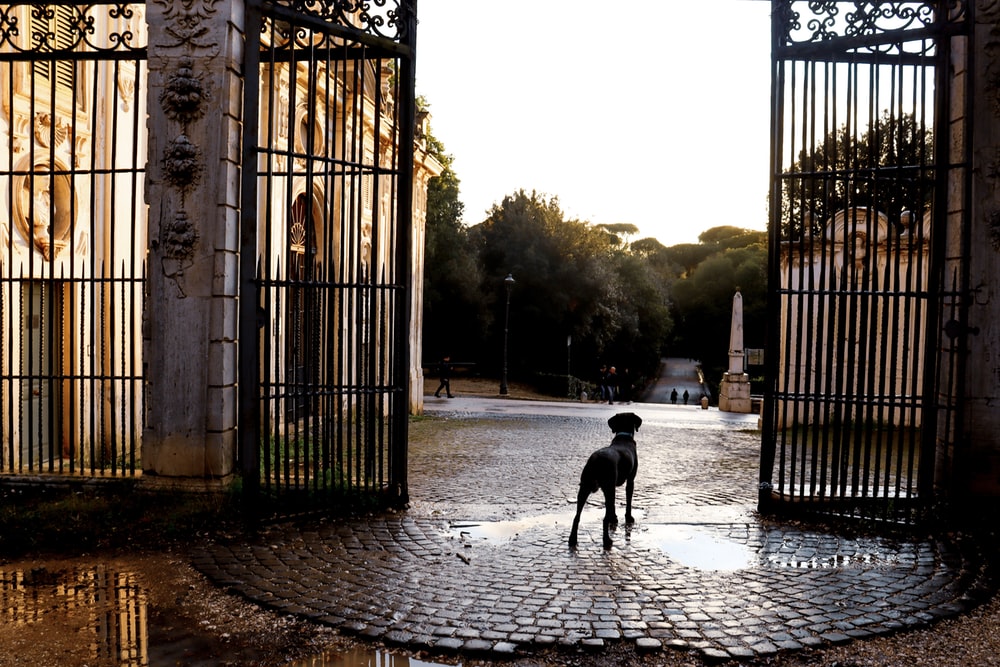
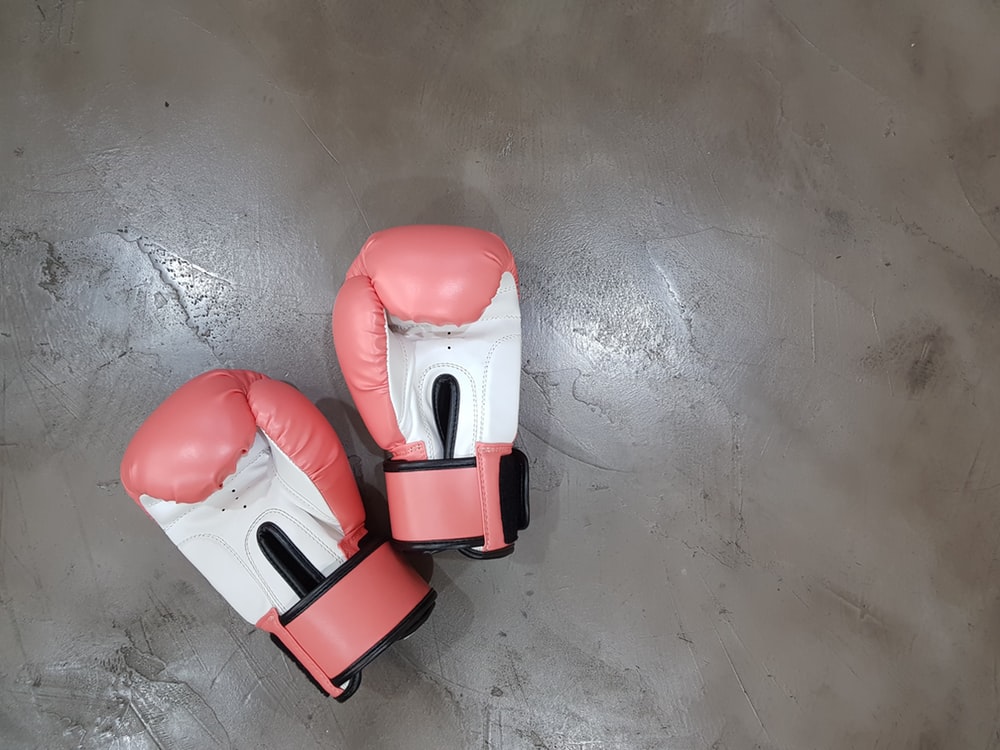
Photo by Ágatha Depiné on Unsplash

Therefore, brothers, since we have confidence to enter the holy places by the blood of Jesus, by the new and living way that he opened for us through the curtain, that is, through his flesh, and since we have a great priest over the house of God, let us draw near with a true heart in full assurance of faith, with our hearts sprinkled clean from an evil conscience and our bodies washed with pure water. (Hebrews 10:19-22)

When I go to…
…my daughter’s house…my son’s house…my in-laws’ house
I have no doubt they will welcome me, give me something to drink, offer me some snacks, and let me hang out with them for a while. 

Am I that confident to enter the holy places?

In a word. No. 

The holy places? That’s where God is. The nation of Israel was content to let Moses go up in the cloud while they watched at a distance. The priests did their thing in the holy place of the temple while I watch from outside. And I am content to let Jesus be my intercessor before God, paving the way for me to be in heaven one day.

But today? I’ll keep my distance, thank you. 

It’s time to get past that. I’ve been forgiven because Jesus shed his blood for me on the cross. I am confident that he is my Savior. I have no doubt that I am clean and righteous in his sight. 

So I’m going in. I’m going in by prayer. I’m going in through his word. I’m entering in through the waters of my baptism and the sacrament at the altar. 

Jesus has opened the door for me. I’m going in!

Thank you, Lord, for making a way for me to be in your presence today and forever. Amen. 

Posted in Devotions, Lent

“Almost everything is purified with blood”

2020 “By His Blood” Lent devotion #37

Photo by Sharon McCutcheon on Unsplash

Indeed, under the law almost everything is purified with blood, and without the shedding of blood there is no forgiveness of sins. (Hebrews 9:22)

Wash your hands. Wash ‘em again. Wipe down everything. Stay six feet away. Stay home. We all know the drill. Our lives in the age of the Covid-19 virus are defined by avoiding germs. 

Go back several thousand years to the time of Moses. Purity, cleanness and separation are a big deal. They just did it differently. “Under the law almost everything is purified with blood.” In preparation for worship, everything is sprinkled with blood. Using a branch of hyssop as a tool, Moses sprinkled the book of the law, the people, the tent and all the vessels used for worship with blood. In other words, if you want to go to church, you’re gonna get sprinkled with blood!

Just imagine showing up at church and seeing a drop of blood on the page of the hymnal with the opening song. Or spying drops of blood on the tile floor of the chancel. Blood on your white dress shirt or on the sidewalk out in front of the church. You’d be mortified. Yes, we live in a much different time, don’t we?

Let’s think about it in a spiritual sense for a moment. What is it like for a sinner like you to come into the presence of the holy God? It’s terrifying. It’s foolish. It’s unthinkable. Every bone in your body says, “Don’t do it!” 
But Christ has died for your sins. His blood paid the price. If you can hide behind his perfect life and innocent suffering and death for you, maybe you’ll stand a chance. 

That’s what it’s all about. The blood of bulls and lambs and goats were just reminders of what the Messiah would do. He would make a way, a way for you to be able to embrace the God who is able to do so much more than anything you can imagine. His blood means our sins have been paid for. His blood means we are forgiven. 

Let’s not mince words. Worship is messy. But I am forgiven. A few stains here and there are certainly worth it. 

Thank you, Lord! I am forgiven and I am clean by your blood. Amen.

Posted in Devotions, Lent

“He shared in our humanity”

“By His Blood” 2020 Lent devotion #36

Photo by chuttersnap on Unsplash

Since the children have flesh and blood, he too shared in their humanity so that by his death he might break the power of him who holds the power of death—that is, the devil— and free those who all their lives were held in slavery by their fear of death. (Hebrews 2:14-15)

Are you afraid of death? Who isn’t? Even those who say they aren’t afraid of death do things that promote and preserve life. They don’t eat the moldy leftovers in the refrigerator. They don’t walk out into the traffic of a busy street. They buy guns to defend themselves. They buy life insurance policies. They elect sheriffs. 

How many of our behaviors are driven by our mortality? Why is eating healthy, getting enough sleep, taking vitamins, having access to clean water and medical care so important to us? Because we value life and want to avoid death. 

Jesus became flesh and blood and shares in our humanity. So he had to eat, drink and sleep. He needed care as an infant. He needed to work. He occasionally had to evade those who sought his death. He did all this to be and stay alive. 

But Jesus also became flesh and blood to die and break the power of him who holds the power of death, the devil. Once you die and come back to life, death is no longer a threat. It no longer controls you. In our place, Jesus died and rose, paving a path for us. If that is truly my future, death and even the fear of death doesn’t control or guide me. He does. And just like that, the devil has lost his power over me. 

What a gift!

Thank you, Lord for becoming like me to give me the freedom to live! Amen. 

Posted in Devotions, Lent

“The real struggle”

“By His Blood” 2020 Lent devotion #35

Photo by Arisa Chattasa on Unsplash

For our struggle is not against flesh and blood, but against the rulers, against the authorities, against the powers of this dark world and against the spiritual forces of evil in the heavenly realms. (Ephesians 6:12)

That one sentence from scripture goes against everything we think, feel and experience in a day. We have to deal with flesh and blood, that is, people, from the moment we wake up until we fall asleep at night. People say things that anger us. People fail to follow through with commitments. People cut us off in traffic or cut us off in conversation. It’s “flesh and blood” who eat the last cookie, put the empty milk container back in the refrigerator and never clean up after themselves. People start wars, fires and rumors. Flesh and blood neighbors play their music too loud, don’t take care of their yards and let their dogs bark all night. 

I could go on and on. I’m sure you could, too. 

But let’s move on and consider the different reality that God’s word declares. We are really struggling with the rulers, authorities and powers of the dark world. We are engaged in a battle with the spiritual forces of evil. 

I don’t care how you look at it, that is scary. I am not only frightened by their existence but I’m terrified to think I encounter the spiritual forces of evil daily. This sentence reminds me that there is always more going on in my world than I can see. It also reminds me that I need someone who is up to the challenge of overcoming those powers. 

Ironically, even though our struggle isn’t against flesh and blood, the one who overcomes these spiritual forces of evil, Jesus, became flesh and blood for the very purpose of defeating them. Fully human – flesh and blood – just like us, you wouldn’t think he would stand a chance. Yet he resists Satan’s temptation, commands the demons, restores lives and overcomes death itself. 

In that sense, the struggle is over. We are more than overcomers through him who loved us. The struggle that remains is to listen to him rather than the lies of enemy. His word is truth, and that is always where I will find the victory. 

Thank you, Lord, for your word of truth and victory. Amen. 

Posted in Devotions, Lent

2020 Lent devotion #32 – “His blood be on us”

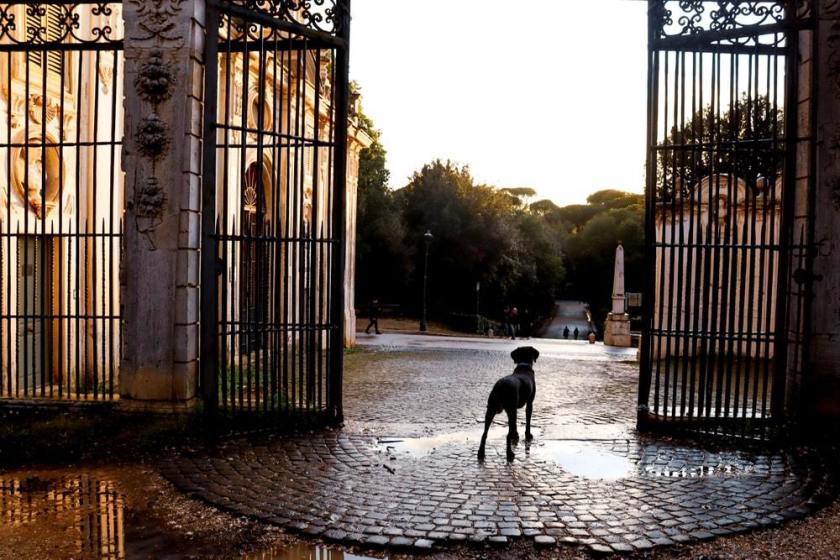
Photo by Martin Jernberg on Unsplash

After Pilate washes his hands and declares, “I am innocent of this man’s blood,” the people answered, “His blood be on us and on our children!” (Matthew 27:24-25)

The people got what they wanted. Barabbas will be released. Jesus will be crucified. But Pilate isn’t going to take the fall for this. When he declares his innocence, the crowd accepts responsibility. They’ll take the blame. They’ll even share their guilt with future generations. Almost too willingly, they shout, “His blood be on us and on our children!” 

Chilling words from Jesus’ own people. Vicious words from the very people Jesus came to save. Mutinous words as a kingdom turns against its own king!

I wonder if some of those in the crowd were also part of the Palm Sunday gathering who welcomed Jesus as he rode into Jerusalem on a donkey. Were they the same ones who shouted, “Hosanna”? Had some of them eaten bread and fish on a hillside after Jesus’ long day of teaching? Were there some there who didn’t even know who Jesus really was, but were swept along with the mob?

Sometimes we’ll take the blame. “Hey, it’s not you, it’s me.” Sometimes, rather than making excuses, we simply admit, “I did it. I screwed up. It’s my fault.” 

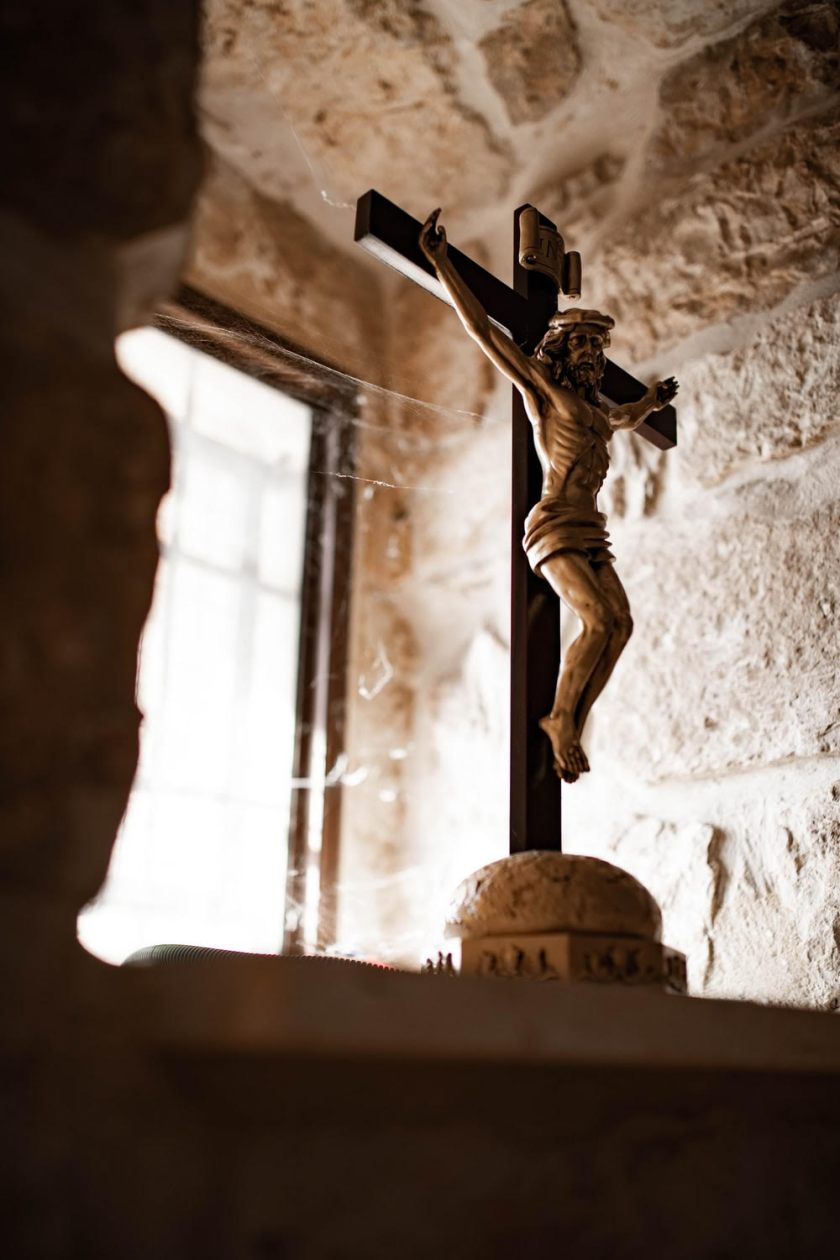
But how many of us look at a crucifix and declare, “That’s my fault”? How many of us read the passion of our Lord in one of the gospels and insist, “His blood is on my head”? It is humbling to know and admit that I am to blame for the scourging, the thorns, the nails and my Lord’s death. He did nothing wrong. He was punished for my sins. 

The whole thing is my fault Lord. Thank you for loving me that much. Amen. 

Posted in Devotions, Lent

2020 Lent devotion #31 – “I am innocent of this man’s blood”

Photo by Nathan Dumlao on Unsplash

So when Pilate saw that he was gaining nothing, but rather that a riot was beginning, he took water and washed his hands before the crowd, saying, “I am innocent of this man’s blood; see to it yourselves.” (Matthew 27:24)

It’s a mob scene. The governor, Pilate, has given the crowd a choice of two prisoners to release. He would either set Barabbas or Jesus free that day. The crowd, prompted by the chief priests and elders, ask for Barabbas to be freed. Pilate then asks, “And what should I do with Jesus?” The crowds demands that he be crucified. When Pilate asks, “Why?” the crowd is even more stirred up, demanding his crucifixion. 

All the ingredients for a riot are in place. But Pilate is not about to take the blame for executing someone he knows doesn’t deserve it. In front of them all, he literally and symbolically washes his hands of the whole affair. He declares himself off the hook for Jesus’ death. “I am innocent of this man’s blood.”

You and I have been there. We’ve thrown up our hands and declared, “I had nothing to do with that.” We weren’t there. We had no knowledge of what was going on. We are off the hook. 

When it comes to Jesus, though, it’s not that simple. Since he died in our place for our sins, we are not innocent. We are the reason he came, suffered, died and was buried. We have everything to do with his death! 

It’s humbling, but it’s also reassuring. Jesus doesn’t wash his hands and renounce us. We don’t wash our hands and renounce him. Instead, in the waters of baptism, we are joined with both his death and resurrection. By grace, we are a part of all that happened to him, and he is a part of everything that happens to us. 

Thank you, Lord, for being a part of my life yesterday, today, and forever. Amen. 

Posted in Devotions, Lent

2020 Lent devotion #30 – Blood money

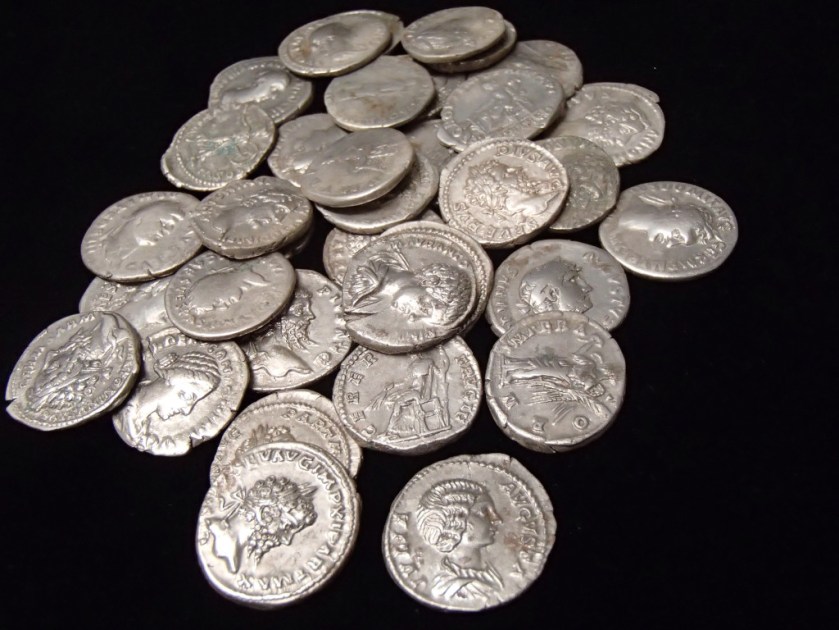
Then when Judas, his betrayer, saw that Jesus was condemned, he changed his mind and brought back the thirty pieces of silver to the chief priests and the elders, saying, “I have sinned by betraying innocent blood.” They said, “What is that to us? See to it yourself.” And throwing down the pieces of silver into the temple, he departed, and he went and hanged himself. But the chief priests, taking the pieces of silver, said, “It is not lawful to put them into the treasury, since it is blood money.” (Matthew 27:3-6)

Judas agreed to betray Jesus, to take a mob to where Jesus was, in exchange for thirty pieces of silver. In today’s money, about $600. After Jesus is arrested in the Garden of Gethsemane, Judas realizes he’s made a big mistake. His change of mind, though, is too late. The chief priests and elders are quick to point out, “No refunds or exchanges.” 

Judas throws the money into the temple and leaves to go hang himself. What are they going to do with that money? All of a sudden the chief priests get all ethical and don’t want the money back since it is “blood money.” In other words, it’s payment for Jesus’ death. To them, it was worth every penny anyway. In less than twenty-four hours, their “Jesus problem” would be resolved. He would be gone. 

You and I pay to make problems go away all the time. We pay the lawn guy to take care of the weeds, the dry cleaner to get the wrinkles out of a suit, the exterminator to rid the house of bugs and a hair stylist to cover up the gray hair. 

But there’s no one to pay to over up our sins, failures, shame and guilt. We try, though. We’ll buy a nice gift, flowers or a fruit basket to make amends with someone we’ve wronged. Sounds kind of shallow when you think of it that way. And it is. 

Only Christ can fully pay for or atone for our sins. Yes, it costs him his life. His blood. That’s the real “blood money.” 

Thank you, Jesus, for the blood money that makes my sin problem go away. Amen. 

Posted in Devotions, Lent

2020 Lent devotion #29 – The bleeding stopped

And behold, a woman who had suffered from a discharge of blood for twelve years came up behind Jesus and touched the fringe of his garment, for she said to herself, “If I only touch his garment, I will be made well.” Jesus turned, and seeing her he said, “Take heart, daughter; your faith has made you well.” And instantly the woman was made well. (Matthew 9:20-22)

Twelve years of abnormal bleeding is a long, long time. Do you ever get used to it? I suppose. After a while, it’s just a part of who you are. You do what you have to do to get through the day. You adapt. 

But then Jesus comes along. Word is spreading throughout Galilee that he can heal lepers, paralytics and the possessed. “If I can just get close to him. I’m not going to beg. I just need to touch his clothes. If I can just do that, I know I’ll be made well.” Just a thread. Just a few threads at the edge of Jesus’ robe. That’s all it will take. Do you hear the faith in her words?

I wonder if she felt anything. Was there some kind of sensation when she touched his clothes? Did she feel something inside as the bleeding stopped? Or in that moment did she notice that she no longer felt the blood flowing? 

In any case, I’m sure she never forgot that moment when the bleeding stopped. And she never forgot Jesus’ words of assurance, “Take heart, daughter; your faith has made you well.” 

Of course, we know it was Jesus who made her well. He stopped the bleeding. But she was right. Her confidence – her faith – led her to the only one who could make her well.

Jesus’ own bleeding wouldn’t begin for another few years. When the soldiers flogged him, put the crown of thorns on his head, and drove the nails into his hands and feet, blood would flow. Jesus would not stop that bleeding. Instead he would willingly give up his life. And he would powerfully take it up again on the third day. Yes, we too can be confident that he is the one who can make us well and give us eternal life!

Thank you, Lord, for life today and life that lasts forever. Amen. 

Posted in Devotions, Lent

2020 Lent devotion #28 – A blood moon

Photo by Stephan H. on Unsplash

And I will show wonders in the heavens and on the earth, blood and fire and columns of smoke. The sun shall be turned to darkness, and the moon to blood, before the great and awesome day of the Lord comes. And it shall come to pass that everyone who calls on the name of the Lord shall be saved. (Joel 2:30-32)

Sounds ominous, doesn’t it? Looks even more ominous. Eclipses are events that we all throng to see. When we happen to be in the path of a total solar eclipse, everyone goes outside with their special glasses to watch. We’ll stay up late to see the blood-red lunar eclipse, too. We may understand these occurrences better than ancient civilizations, but they are no less amazing to observe. 

But what does a blood-red moon have to do with the great and awesome day of the Lord? Which eclipse will precede the day of his coming and the final judgment? Many have tried to predict, and of course they have failed. No one knows except God when Christ’s return will be. 

Yet God has set these portents in the sky, along with others (like earthquakes and volcanic eruptions), as reminders that this world as we know it will one day come to an end. When the ground shakes, when lava flows, when day is strangely darkened and the moon is turned to blood, we are to remember the one who made them. And we are to remember his promise that everyone who calls on the name of the Lord shall be saved. 

Paul reminded the Christians in Rome that you can learn a lot about God from creation. He’s put it right there in front of you so that you’ll not only know he exists but seek to know more about him. 

Thank you, Lord, for a little blood on the moon once in a while to draw attention to you. Amen.