Posted in Devotions, Lent

“The real struggle”

“By His Blood” 2020 Lent devotion #35
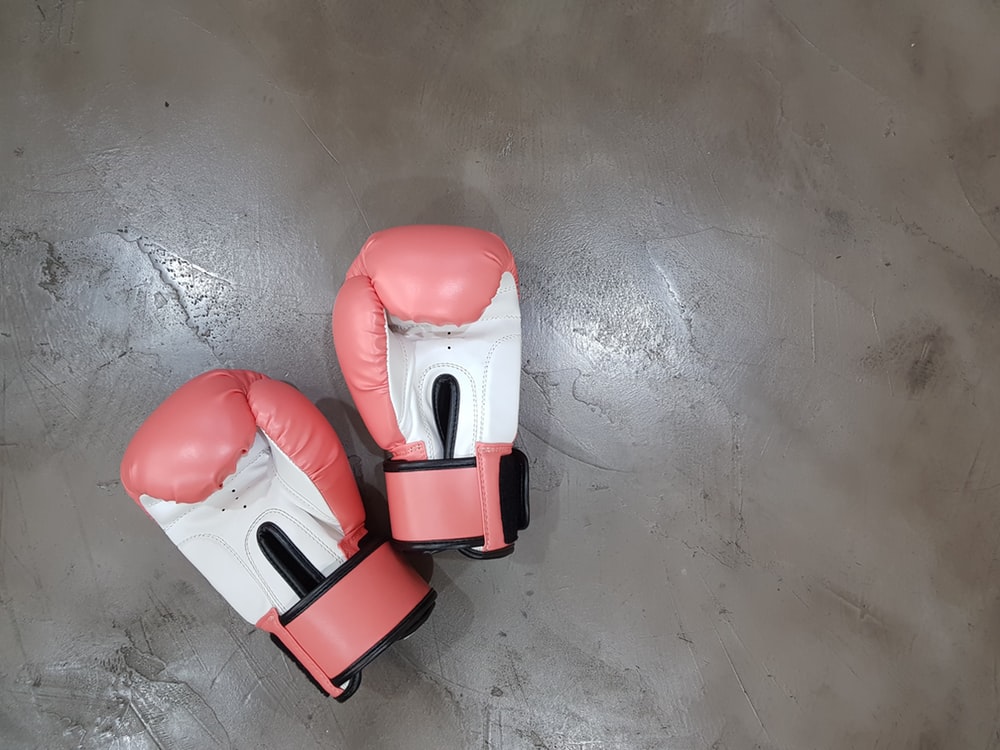
Photo by Arisa Chattasa on Unsplash

For our struggle is not against flesh and blood, but against the rulers, against the authorities, against the powers of this dark world and against the spiritual forces of evil in the heavenly realms. (Ephesians 6:12)

That one sentence from scripture goes against everything we think, feel and experience in a day. We have to deal with flesh and blood, that is, people, from the moment we wake up until we fall asleep at night. People say things that anger us. People fail to follow through with commitments. People cut us off in traffic or cut us off in conversation. It’s “flesh and blood” who eat the last cookie, put the empty milk container back in the refrigerator and never clean up after themselves. People start wars, fires and rumors. Flesh and blood neighbors play their music too loud, don’t take care of their yards and let their dogs bark all night. 

I could go on and on. I’m sure you could, too. 

But let’s move on and consider the different reality that God’s word declares. We are really struggling with the rulers, authorities and powers of the dark world. We are engaged in a battle with the spiritual forces of evil. 

I don’t care how you look at it, that is scary. I am not only frightened by their existence but I’m terrified to think I encounter the spiritual forces of evil daily. This sentence reminds me that there is always more going on in my world than I can see. It also reminds me that I need someone who is up to the challenge of overcoming those powers. 

Ironically, even though our struggle isn’t against flesh and blood, the one who overcomes these spiritual forces of evil, Jesus, became flesh and blood for the very purpose of defeating them. Fully human – flesh and blood – just like us, you wouldn’t think he would stand a chance. Yet he resists Satan’s temptation, commands the demons, restores lives and overcomes death itself. 

In that sense, the struggle is over. We are more than overcomers through him who loved us. The struggle that remains is to listen to him rather than the lies of enemy. His word is truth, and that is always where I will find the victory. 

Thank you, Lord, for your word of truth and victory. Amen. 
Posted in Devotions, Lent

2020 Lent devotion #32 – “His blood be on us”

Photo by Martin Jernberg on Unsplash

After Pilate washes his hands and declares, “I am innocent of this man’s blood,” the people answered, “His blood be on us and on our children!” (Matthew 27:24-25)

The people got what they wanted. Barabbas will be released. Jesus will be crucified. But Pilate isn’t going to take the fall for this. When he declares his innocence, the crowd accepts responsibility. They’ll take the blame. They’ll even share their guilt with future generations. Almost too willingly, they shout, “His blood be on us and on our children!” 

Chilling words from Jesus’ own people. Vicious words from the very people Jesus came to save. Mutinous words as a kingdom turns against its own king!

I wonder if some of those in the crowd were also part of the Palm Sunday gathering who welcomed Jesus as he rode into Jerusalem on a donkey. Were they the same ones who shouted, “Hosanna”? Had some of them eaten bread and fish on a hillside after Jesus’ long day of teaching? Were there some there who didn’t even know who Jesus really was, but were swept along with the mob?

Sometimes we’ll take the blame. “Hey, it’s not you, it’s me.” Sometimes, rather than making excuses, we simply admit, “I did it. I screwed up. It’s my fault.” 

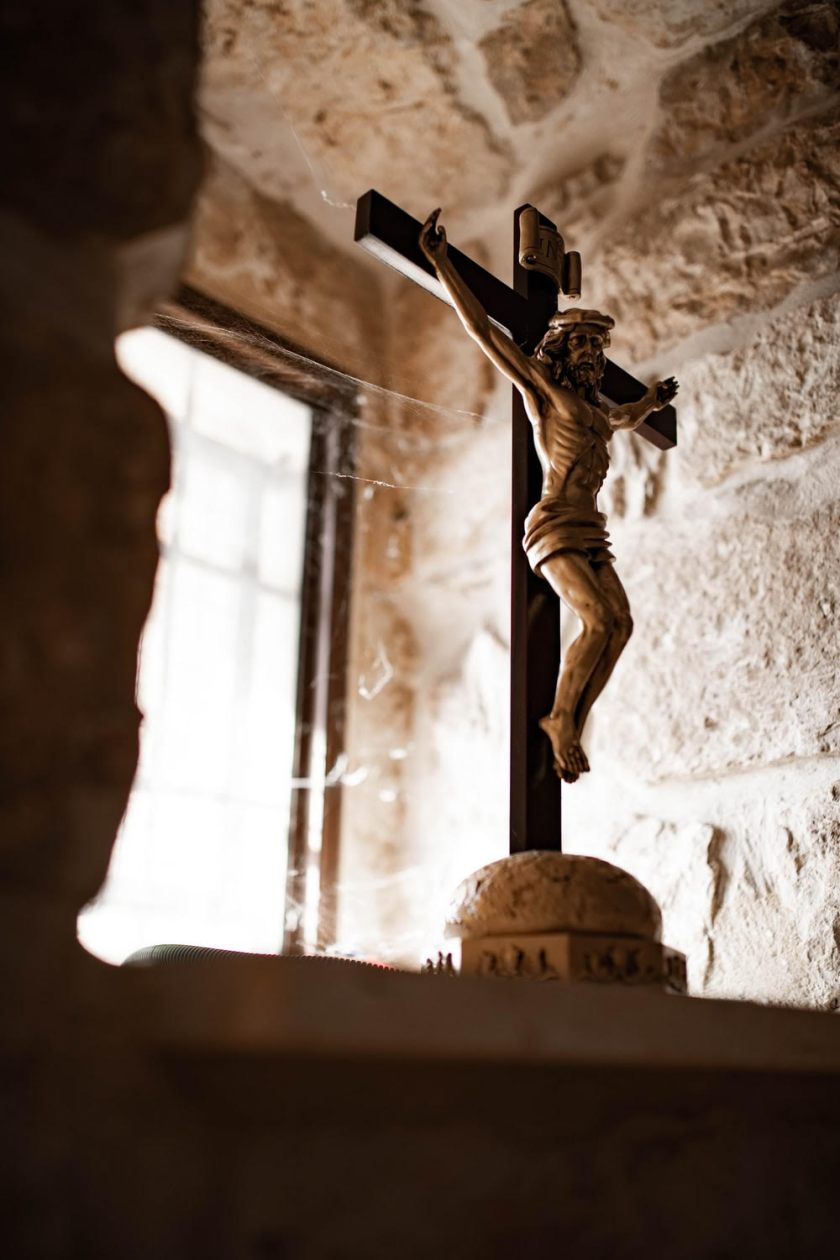
But how many of us look at a crucifix and declare, “That’s my fault”? How many of us read the passion of our Lord in one of the gospels and insist, “His blood is on my head”? It is humbling to know and admit that I am to blame for the scourging, the thorns, the nails and my Lord’s death. He did nothing wrong. He was punished for my sins. 

The whole thing is my fault Lord. Thank you for loving me that much. Amen. 

Posted in Devotions, Lent

2020 Lent devotion #31 – “I am innocent of this man’s blood”

Photo by Nathan Dumlao on Unsplash

So when Pilate saw that he was gaining nothing, but rather that a riot was beginning, he took water and washed his hands before the crowd, saying, “I am innocent of this man’s blood; see to it yourselves.” (Matthew 27:24)

It’s a mob scene. The governor, Pilate, has given the crowd a choice of two prisoners to release. He would either set Barabbas or Jesus free that day. The crowd, prompted by the chief priests and elders, ask for Barabbas to be freed. Pilate then asks, “And what should I do with Jesus?” The crowds demands that he be crucified. When Pilate asks, “Why?” the crowd is even more stirred up, demanding his crucifixion. 

All the ingredients for a riot are in place. But Pilate is not about to take the blame for executing someone he knows doesn’t deserve it. In front of them all, he literally and symbolically washes his hands of the whole affair. He declares himself off the hook for Jesus’ death. “I am innocent of this man’s blood.”

You and I have been there. We’ve thrown up our hands and declared, “I had nothing to do with that.” We weren’t there. We had no knowledge of what was going on. We are off the hook. 

When it comes to Jesus, though, it’s not that simple. Since he died in our place for our sins, we are not innocent. We are the reason he came, suffered, died and was buried. We have everything to do with his death! 

It’s humbling, but it’s also reassuring. Jesus doesn’t wash his hands and renounce us. We don’t wash our hands and renounce him. Instead, in the waters of baptism, we are joined with both his death and resurrection. By grace, we are a part of all that happened to him, and he is a part of everything that happens to us. 

Thank you, Lord, for being a part of my life yesterday, today, and forever. Amen. 

Posted in Devotions, Lent

2020 Lent devotion #30 – Blood money

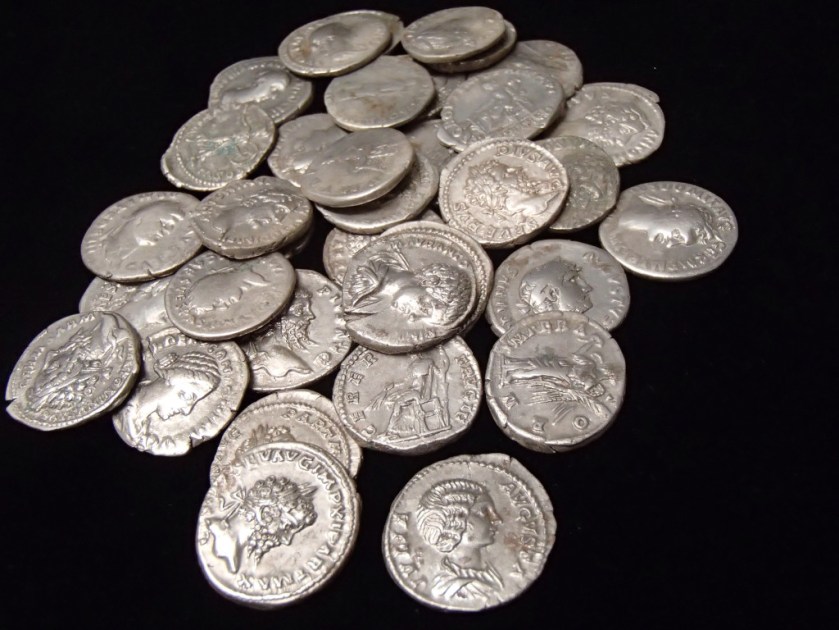
Then when Judas, his betrayer, saw that Jesus was condemned, he changed his mind and brought back the thirty pieces of silver to the chief priests and the elders, saying, “I have sinned by betraying innocent blood.” They said, “What is that to us? See to it yourself.” And throwing down the pieces of silver into the temple, he departed, and he went and hanged himself. But the chief priests, taking the pieces of silver, said, “It is not lawful to put them into the treasury, since it is blood money.” (Matthew 27:3-6)

Judas agreed to betray Jesus, to take a mob to where Jesus was, in exchange for thirty pieces of silver. In today’s money, about $600. After Jesus is arrested in the Garden of Gethsemane, Judas realizes he’s made a big mistake. His change of mind, though, is too late. The chief priests and elders are quick to point out, “No refunds or exchanges.” 

Judas throws the money into the temple and leaves to go hang himself. What are they going to do with that money? All of a sudden the chief priests get all ethical and don’t want the money back since it is “blood money.” In other words, it’s payment for Jesus’ death. To them, it was worth every penny anyway. In less than twenty-four hours, their “Jesus problem” would be resolved. He would be gone. 

You and I pay to make problems go away all the time. We pay the lawn guy to take care of the weeds, the dry cleaner to get the wrinkles out of a suit, the exterminator to rid the house of bugs and a hair stylist to cover up the gray hair. 

But there’s no one to pay to over up our sins, failures, shame and guilt. We try, though. We’ll buy a nice gift, flowers or a fruit basket to make amends with someone we’ve wronged. Sounds kind of shallow when you think of it that way. And it is. 

Only Christ can fully pay for or atone for our sins. Yes, it costs him his life. His blood. That’s the real “blood money.” 

Thank you, Jesus, for the blood money that makes my sin problem go away. Amen. 

Posted in Devotions, Lent

2020 Lent devotion #29 – The bleeding stopped

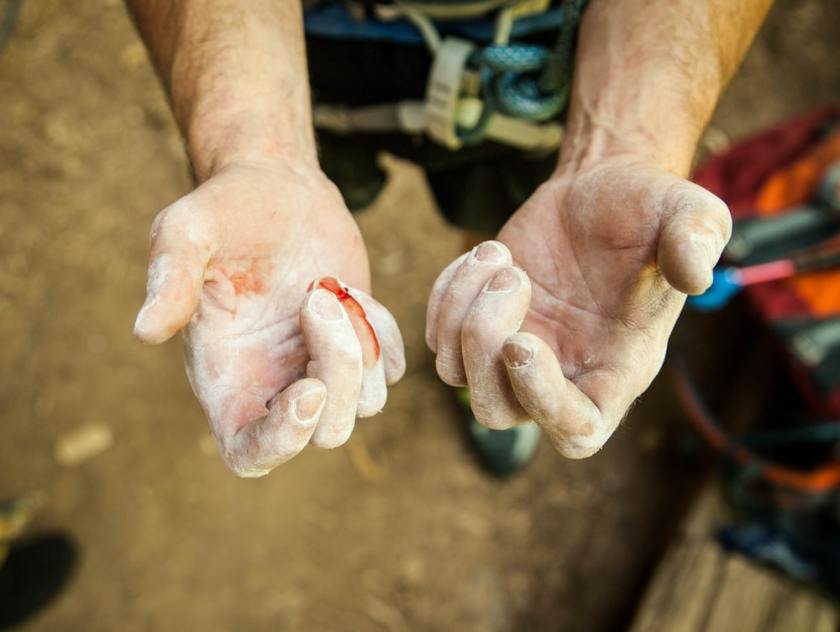
And behold, a woman who had suffered from a discharge of blood for twelve years came up behind Jesus and touched the fringe of his garment, for she said to herself, “If I only touch his garment, I will be made well.” Jesus turned, and seeing her he said, “Take heart, daughter; your faith has made you well.” And instantly the woman was made well. (Matthew 9:20-22)

Twelve years of abnormal bleeding is a long, long time. Do you ever get used to it? I suppose. After a while, it’s just a part of who you are. You do what you have to do to get through the day. You adapt. 

But then Jesus comes along. Word is spreading throughout Galilee that he can heal lepers, paralytics and the possessed. “If I can just get close to him. I’m not going to beg. I just need to touch his clothes. If I can just do that, I know I’ll be made well.” Just a thread. Just a few threads at the edge of Jesus’ robe. That’s all it will take. Do you hear the faith in her words?

I wonder if she felt anything. Was there some kind of sensation when she touched his clothes? Did she feel something inside as the bleeding stopped? Or in that moment did she notice that she no longer felt the blood flowing? 

In any case, I’m sure she never forgot that moment when the bleeding stopped. And she never forgot Jesus’ words of assurance, “Take heart, daughter; your faith has made you well.” 

Of course, we know it was Jesus who made her well. He stopped the bleeding. But she was right. Her confidence – her faith – led her to the only one who could make her well.

Jesus’ own bleeding wouldn’t begin for another few years. When the soldiers flogged him, put the crown of thorns on his head, and drove the nails into his hands and feet, blood would flow. Jesus would not stop that bleeding. Instead he would willingly give up his life. And he would powerfully take it up again on the third day. Yes, we too can be confident that he is the one who can make us well and give us eternal life!

Thank you, Lord, for life today and life that lasts forever. Amen. 

Posted in Devotions, Lent

2020 Lent devotion #28 – A blood moon

Photo by Stephan H. on Unsplash

And I will show wonders in the heavens and on the earth, blood and fire and columns of smoke. The sun shall be turned to darkness, and the moon to blood, before the great and awesome day of the Lord comes. And it shall come to pass that everyone who calls on the name of the Lord shall be saved. (Joel 2:30-32)

Sounds ominous, doesn’t it? Looks even more ominous. Eclipses are events that we all throng to see. When we happen to be in the path of a total solar eclipse, everyone goes outside with their special glasses to watch. We’ll stay up late to see the blood-red lunar eclipse, too. We may understand these occurrences better than ancient civilizations, but they are no less amazing to observe. 

But what does a blood-red moon have to do with the great and awesome day of the Lord? Which eclipse will precede the day of his coming and the final judgment? Many have tried to predict, and of course they have failed. No one knows except God when Christ’s return will be. 

Yet God has set these portents in the sky, along with others (like earthquakes and volcanic eruptions), as reminders that this world as we know it will one day come to an end. When the ground shakes, when lava flows, when day is strangely darkened and the moon is turned to blood, we are to remember the one who made them. And we are to remember his promise that everyone who calls on the name of the Lord shall be saved. 

Paul reminded the Christians in Rome that you can learn a lot about God from creation. He’s put it right there in front of you so that you’ll not only know he exists but seek to know more about him. 

Thank you, Lord, for a little blood on the moon once in a while to draw attention to you. Amen. 

Posted in Devotions, Lent

2020 Lent devotion #27 – Garments rolled in blood

Photo by Waltersparr on Pixbay

The people who walked in darkness
have seen a great light;
those who dwelt in a land of deep darkness,
on them has light shone.
You have multiplied the nation;
you have increased its joy;
they rejoice before you
as with joy at the harvest,
as they are glad when they divide the spoil.
For the yoke of his burden,
and the staff for his shoulder,
the rod of his oppressor,
you have broken as on the day of Midian.
For every boot of the tramping warrior in battle tumult
and every garment rolled in blood
will be burned as fuel for the fire. (Isaiah 9:2-5)

What a day that’s going to be! The yoke, staff and rod of oppression will be broken and no longer a threat. The boots and bloody uniforms of soldiers will be thrown on the fire to provide warmth and light. The conflict will be over, a new day dawns, and a new king will reign – forever. 

Wars and rumors of wars fill our news feeds. When will we no longer need uniforms for soldiers? When will we be able to lay all of our weapons aside? When will we feel joy, real joy? Joy like the harvest, joy like a payday? It seems like nothing more than a dream. It’s a utopia we don’t really think will happen in our lifetime. Or any lifetime. 

We read these words and go out and arm ourselves. We look forward to that day, but buy extra ammo, just in case. After all, we need to defend ourselves in our homes, right? We do not trust our neighbors, our local leaders, our government, or those from other nations. We prepare ourselves to live in dark times. 

What if we looked towards the light? What if we focused on the one who not only brings peace to our world, but reigns forever? What if we fixed our eyes on the increase of his government, which will have no end. What if our focus was on the light — Jesus?

Oh, and how about this: maybe they never found Jesus’ burial linens because someone took them and used them for fuel for a fire. After the resurrection and defeating death, he didn’t need that garment rolled in blood anymore… Just thinkin’.

Thank you, Lord, for always knowing how to bring light to the darkness. Amen. 

Posted in Devotions, Lent

2020 Lent devotion #26 – Justice instead of blood

Photo by Delphine Ducaruge on Unsplash


What to me is the multitude of your sacrifices? says the Lord; I have had enough of burnt offerings of rams and the fat of well-fed beasts;I do not delight in the blood of bulls, or of lambs, or of goats. (Isaiah 1:11)

Wash yourselves; make yourselves clean; remove the evil of your deeds from before my eyes; cease to do evil, learn to do good; seek justice, correct oppression; bring justice to the fatherless, plead the widow’s cause. (Isaiah 1:16-17)

Does it surprise you to hear God say, in effect, “I’ve had enough of your empty worship and meaningless sacrifices?” I’m sure it caught Isaiah’s audience off guard. They thought that they were on the right track. They thought they were doing all the right things, following the laws for making God-pleasing sacrifices of bulls, lambs and goats.

God’s not happy. If the sacrifices are nothing more than ritual and you worship is simply going through the motions, you’ve missed the whole point. If He is indeed your God and you really are his people, that reality will show up in every area of your life. You’ll seek God’s forgiveness, follow his paths of righteousness, and help the people around you, especially those who struggled to care for themselves, the orphans and widows. 

These continue to be convicting words for today’s Christian worshipers, including you and I. Do our Sunday morning gatherings around Word and Sacrament overflow into the rest of our week, relationships, work and family life? Does the blood of the sacrifice, the crucifixion of Jesus, really mean anything to you? The answer to the question should be obvious to any observer. 

The church season of Lent is always a good time to reevaluate, and see how we have let our faith deteriorate into empty ritual. To catch ourselves just going through the motions. Our Lenten disciplines include spending more time each week in scripture, prayer and worship. We seek God’s forgiveness for the sake of Christ, we learn what our Lord wants us to do, and we focus our energy on bringing His mercy and hope to the lives of those around us. 

God doesn’t need anything from us. But I’ll bet you know someone who does. Let’s make our worship mean something. 

Thank you, Lord, for filing my worship with your grace and leading me to love my neighbor as myself. Amen. 

Posted in Devotions, Lent

2020 Lent devotion #25 – Hands that shed innocent blood

by Brook Anderson on Unsplash

There are six things that the Lord hates,
    seven that are an abomination to him: haughty eyes, a lying tongue,     and hands that shed innocent blood, a heart that devises wicked plans,     feet that make haste to run to evil, a false witness who breathes out lies,     and one who sows discord among brothers. (Proverbs 6:16-19)

Want to get on God’s bad side? Be arrogant. Dishonest. Stir up trouble. Make wicked plans. Or, take the lives of innocent people. “Shed innocent blood.”

Nothing on this list is surprising. Most people would agree that a person shouldn’t live like that. Whether someone is a person of faith or not, they advocate honesty, getting along with each other, trying to make a positive difference and helping out your neighbor. Those who shed innocent blood ought to be locked up for life, or even executed.

Jesus was innocent. The Holy one of God, the righteous one, was like us in every way, yet without sin. They killed him. The Jewish crowds called for his execution. The Roman soldiers whipped him and hammered the nails into his hands and feet. Innocent blood was shed at Calvary. 

So God hates all those people? Nope. “God so loved the world…” God loves those who put his own son to death. 

Since it was my sin that brought Jesus here to this earth to suffer and die, I guess I would have to admit that I’m the reason for his death. And so are you. We are the reason he died. Our hands were complicit in his innocent death. We had a “hand” in his death.

Does God hate me? He should. But he doesn’t. God so loved me and you that he gave his one and only son, that whoever believes in him should not perish but have everlasting life. Jesus’ innocent suffering and death turn God’s hate into love. 

Maybe he can turn my hate into love, too. 

Thank you, Lord, for your amazing love for me. Amen.