Posted in Today I learned

Lessons from “The Burglar”

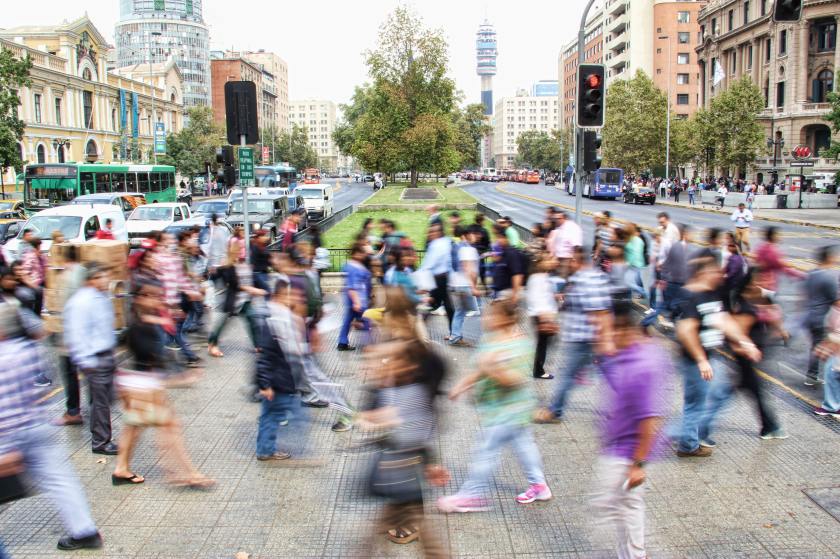
Photo by Kay Ingulli on Unsplash

I really enjoyed Thomas Perry’s 2019 mystery novel The Burglar. In a nutshell, it’s about a twenty-four year old woman who steals for a living. When she breaks into a house and discovers the scene of a murder, she finds herself involved in a much bigger crime. Though fiction, I learned much about what to notice as I am walking around my neighborhood.

No one will notice you if blend in. The protagonist, Elle, made sure she looked like someone who lived in the neighborhood she was casing. If it was an upscale area, she made sure she wore nicer workout clothes. Even if the residents didn’t know her, they wouldn’t really worry about her presence as she went for a morning run.

What makes someone in my neighborhood stand out? If I see someone walking around wearing a suit, a dress, or a company polo shirt, they are going door-to-door. I take notice of a car driving slowly by, pausing in front of houses or undeveloped lots. But anyone in shorts and a t-shirt, walking a dog, blends right in.

There are signs that no one is home. Two or three newspapers in the driveway are a giveaway that someone is away. A few cards in the front door left by the door-to-door salespeople announce the same. Lights in the house on at unusual times during the day could be a sign of extended travel. No trash can on the curb on collection day? Someone is on a trip. A family loads suitcases into the back of their car? That house will be unoccupied for a while.

Some houses are easy to get into. As Elle ran through neighborhoods, she noticed who had security cameras or door and window alarms. She noticed windows that were not entirely closed. Some windows were behind bushes or in fenced-in yards. Second story windows were often not alarmed or closed. Louvered windows were not hard to enter. A home with a large dog might have a large dog door that she could squeeze through.

In the story, she’s good at picking locks. But it’s always better to be out of sight if that’s how you’ll enter a home.

She knew what was worth taking. Once inside a house, she passed over art, TVs, computers, and other items that were harder to sell. Cash was the best thing to take and she knew exactly where most people kept cash. Jewelry was OK, but it better be really valuable because you would only get pennies on the dollar for its worth. Guns might be worth something, but since they are usually registered, they are hard to sell.

I have no aspirations of breaking, entering, and taking anything that’s not mine. I’m just fascinated by what you can learn simply by watching. And I am much more aware of who is watching me.

Posted in noticing

Invisible

How long does something have to be in plain view before it becomes invisible?

We had to string a power cable for the camera over the front door. Obvious, unsightly, necessary and ugly. But I have to admit, when I paused to look at it today, I realized I don’t even notice it anymore. In just a matter of months it has become invisible.

So I wonder, what else becomes invisible with familiarity? What do we no longer notice or see going on around us because we see it every single day?

Could you describe all the pictures hanging on the walls of your home? Do you know which light bulbs aren’t working? What brand of TV do you own? What color is your front door? (Hey, don’t we all mostly go in and out of the garage?) What’s on that billboard you drive by every day?

More importantly, who do you no longer notice? At my son’s church, a police officer is stationed at the door every Sunday. I wonder how many people no longer notice him. He’s just part of the Sunday morning routine.

I’ve sat in enough choirs to know that some vocalists get so focused on their music that the director might as well be invisible!

Sometimes when I’m speaking, someone is looking off into the distance, as if I wasn’t even there.

I know what’s it’s like to be invisible.

Posted in Stories

Familiar strangers

I ran across the term “familiar strangers” in Rob Walker’s newsletter The Art of Noticing, suggested to him by reader Laura Grace Weldon. A “familiar stranger” is someone you see regularly, but you don’t know personally.

I found that idea fascinating. What familiar strangers do I run across on a regular basis?

Like a lot of the people who work at the Publix supermarket close to me. I’m there several times a week. I know the names of managers, baggers, cashiers and shelf stockers because their names are on their badges. But that’s all I know about them. I follow their progress as they move up from bagger and cart cowboy to cashier, customer service, and assistant manager. If I stop at another Publix, of course none of them are there, and I feel strangely out of place.

The folks at the post office are familiar, too. I even know their spiel asking me if I need any insurance, delivery confirmation, or stamps. Most are exceptionally patient in the face of various customer demands. They’re pretty amazing strangers.

I recognize many of the front office workers and hygienists at the dentist’s office. Twice a year for many years I’ve interacted with many of them. I know my hygienist and dentist pretty well since we get to chat. But the rest are just familiar faces.

Other churches use our building for their worship services and meetings, usually when our congregation isn’t using it. Sometimes we overlap by a few minutes and I know the faces. But they’re usually speaking a different language.

Some of the contractors who do work around the church or our home are familiar faces who stop by a few times a year. There are familiar faces at some of the restaurants we frequent. I know the names of the dogs who walk by our house but not necessarily the names of their walkers.

Then there are the faces of those I no longer see. The tenant church who closed up shop last year. The neighbor’s wife who recently died. The doctors and assistants at my previous eye doctor. The cleaning crew we had to fire.

My circle of familiar strangers is a lot bigger than I realized. They are worth noticing.