Posted in Food

It’s alive!

We were going to travel. I had a few loaves in the freezer. My sourdough starter didn’t need daily feedings. All the Instagram experts advised, “Just put it in the refrigerator and it will go to sleep. When you take it out and feed it, it will be fine.” I believed them. I just stuck my two mason jars way back on the bottom shelf with about 25 grams of starter in each. “I’ll see you when we get back.” (Yeah, I talk to my starter. Don’t you?”

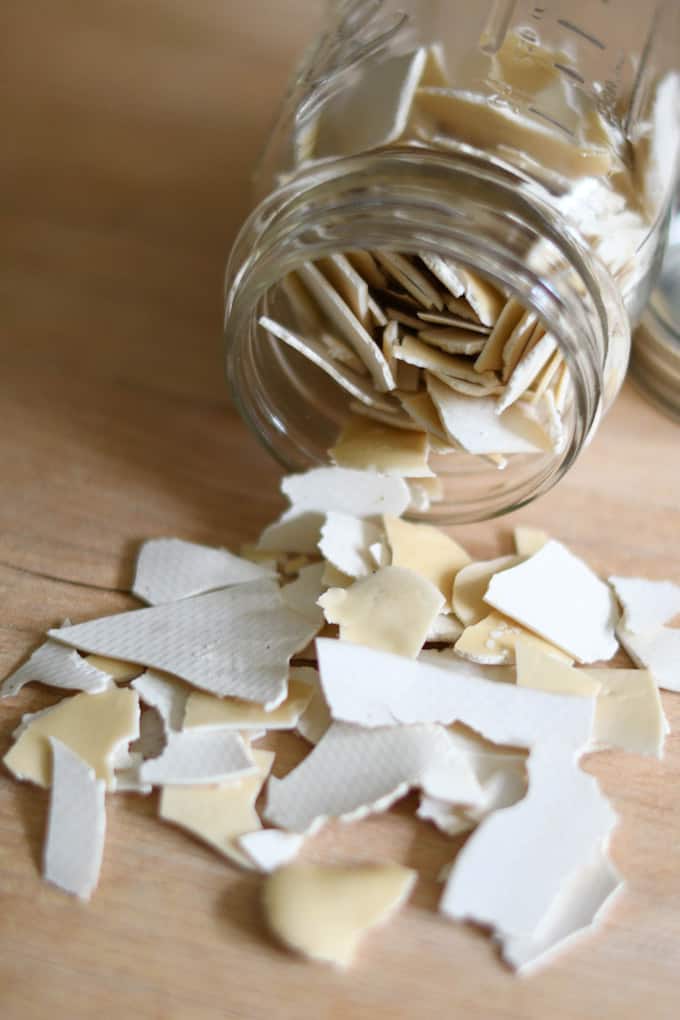
Anyway, I left it in hibernation for about two and a half weeks. When I retrieved it and looked in the jars, the starter looked like hardened paint in the bottom of an old can. Or the cracked, barren ground of a drought-ridden farmland. I guess I should have put lids on the jars rather than just a coffee filter and rubber band.

Of course, I Googled “dried up sourdough starter.” Everyone said, “Don’t give up on it. It will come back to life.” I believe in the resurrection of the dead, but this was a whole different ballgame. I chipped out pieces of dried starter with a knife and soaked them in some water. If I could soften it up, I could mix in flour and water. If. Hours of soaking later, I had a bowl of dried up pieces floating in water.

So I tried to mash them up with a spoon. The pieces were a little softer, but still hard to work with. I decided to go for it. I poured them into the bottom of a jar, added fifty grams of flour and water, covered them with the coffee filter and pushed them back in the corner of the kitchen cabinet. If nothing happened, I’d just toss it and start over. If they came to life, I would be amazed, but would be baking bread soon.

I was skeptical when I peeked at them the next day. I was amazed. The starter hadn’t doubled in size, but I could see little bubbles on the side. Like Dr. Frankenstein, I shouted, “It’s alive!” I discarded a bunch, fed it again, and left it to fully revive.

The next morning, it had doubled, was filled with little bubbles, and had fully come back to life. I fed it in preparation for making dough that night, and the next day I was baking bread.

Some approach sourdough bread as a science project. Others would call it an art. For me, it’s mysterious and magical. I use a scale to measure my quantities. Visual cues tell me when it’s ready. But I am always astounded when I put a ball of dough into the over and pull out a crusty loaf of bread.

If I were still preaching, this would have made a great Easter Sunday illustration.

Since then I’ve learned that some dry out their starter on purpose, to store it for long periods of time. One person kept theirs for fifteen years! It came right back to life with a little flour and water

Posted in Food

My newest hobby: sourdough bread

In 1981, my New York Times Book of the Month choice was James Beard’s Beard on Bread. It was my first step into making my own bread. My favorite recipe in the book was actually Kate Claiborne’s cornmeal pancakes. It’s a complicated recipe that I seldom make, but the pancakes are awesome so it still has a place in our recipe box. Of course, the author also inspired me to bake my first loaves of bread.

While I liked the idea of making bread, I don’t think I made a lot of loaves back then. After mixing the ingredients there’s a lot of time spent kneading, waiting for the dough to rise, more kneading, more waiting for another rise, before you finally put the bread into the oven. More time than I was willing to invest in a loaf that made the house smell great but wasn’t the best bread I’d ever eaten.

We had a bread machine for a while, and made some pretty good loaves in it. But the kneading cycle got a bit bumpy sometimes. We had to toss it when the machine vibrated itself off the kitchen counter.

In recent years, grains weren’t on the approved list for Whole30 and Paleo eating plans. We were also a fairly gluten-free home, so we didn’t eat much bread. Slowly but surely this past year, bread has returned to our table again. When I learned that it’s gut-healthy, I decided to try baking my own sourdough bread.

At first, I tried to bake some gluten-free sourdough loaves. Challenging, but not impossible. Following a little pamphlet of instructions, I mixed some rice flour with water and a special starter we purchased online. I assumed it was doing something as I added water and flour each day. When it was baking day, I followed the directions, put my ball of dough on a pan and covered it with aluminum foil. I got a loaf of bread. It smelled great and looked wonderful. It was just really hard to slice into. I have a really good bread knife, but the bottom of the loaf was so hard I’m not sure I could have cut it with my power mitre saw.

At this time, the Instagram algorithm started showing me sourdough recipes. I took a lot of notes from people willing to share their methods and secrets.

It turns out you can make your own starter with just flour and water. Distilled water. The chlorinated water from the tap hurts the fermentation. Using a mason jar from our cupboard, covered with a coffee filter and rubber band, I faithfully fed my starter each day, watching it bubble and double. In a week or so, it actually smelled like sourdough. Now I was getting somewhere.

I bought a cast iron dutch oven on eBay online for about $20. After watching a few more videos, I was ready to give it a try. Using a kitchen scale, I measured everything by weight. Mix up the dough (made with higher protein bread flour) and wait. Stretch and fold, and wait. Repeat. Repeat. Repeat. Put it in the refrigerator overnight. Grabbing the corners of the parchment paper, I lowered my ball of dough into the dutch oven, threw in a few ice cubes, covered it, and slid it into the oven. A little half an hour later, I had a nicely puffed up, brown loaf of sourdough bread. It tasted pretty good, even if it was denser than all the pictures I had seen.

I began varying my feeding schedule and amounts. I tried a few different recipes. Finally, I started getting some nice looking loaves. Puffed up just right, easy to slice, and delicious. What a feeling of satisfaction!

Once I got a few good loaves, I thought, “That wasn’t so hard.” I still eat some store bought bread, the kind made with lots of different grains. But it doesn’t taste the same. A thick slice of homemade sourdough with butter is the best. Pair it with some homemade soup, and it’s even better.

Now if you’ll excuse me, I have to go feed my starter. I’ve got some baking to do in a few days.