Posted in communication, Life

Disconnect to connect

Photo by Luke Chesser on Unsplash

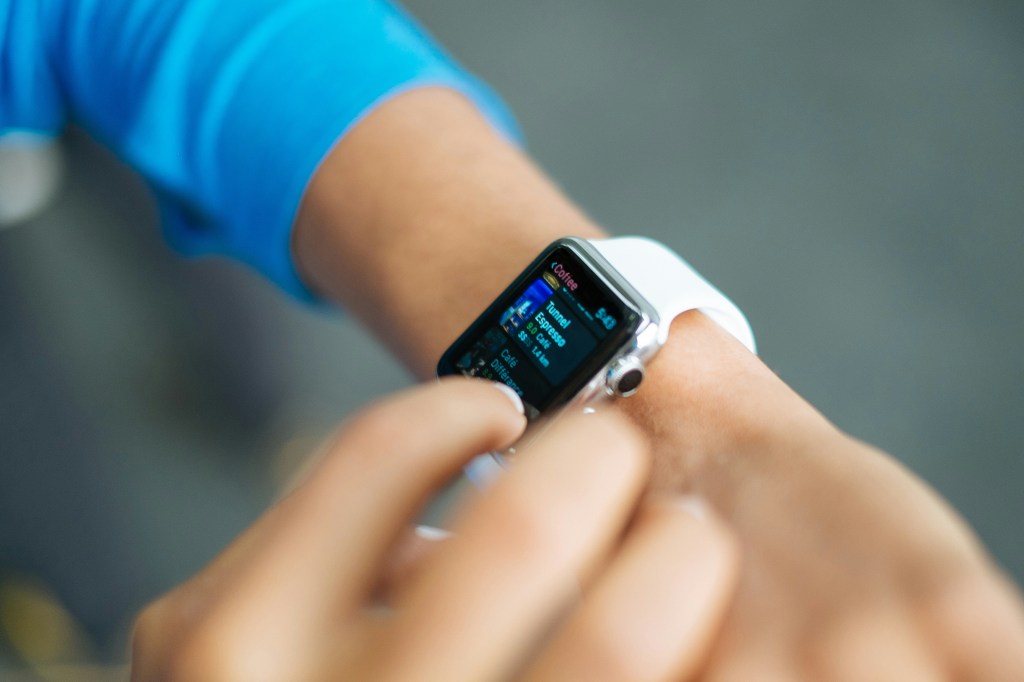
His eyes suddenly shifted away and down. To his wrist. To his smart watch. A second later, he returned to our conversation. A momentary interruption, but a huge break in attention. It didn’t happen just once. He felt the vibration on his wrist and glanced at a message six times in the next ten minutes. Lunch was punctuated by a stream of digital notifications.

As the class leader outlined the discussion for the evening, a phone rang at the next table. The owner dug into his pocket to retrieve his phone. He didn’t answer the call, but his phone rang a few more times. Must have been important.

I cannot remember a Sunday morning worship service that did not include the sound of someone’s cell phone. From the pulpit or the pew, I watch with amusement as the guilty party scrambles to find their phone in purse or pocket to turn it off.

We live in a world where anyone can abscond with our attention. We surrender real relationships to digital imitations. Our devices rule our lives, and the people we care about suffer because of our allegiance to watches and phones.

I only have one suggestion for those who want to wrest their lives from the dominion of non-stop digital communication: Leave your device at home.

Leave your phone in the car. Turn off notifications on your watch. Go to lunch, worship, a meeting, or an amusement park without any connected devices.

What? I know. Everyone is connected. Everyone is one the phone in line for tickets, food, rides, parking, upgrades, and reservations. You have to see it, right? And you have to respond, right?

Well, maybe not. That like, that comment, that response isn’t time sensitive. I’ll bet it’s not urgent. You can (and will) reply tomorrow.

Posted in Life

Life Before the Internet: A Personal Reflection

Photo by Benjamin Dada on Unsplash

This is my response to the WordPress daily writing prompt, “Do you remember life before the internet?”

A quick internet search informs me that the public gained access to the internet 1993. When I think about all the ways I use the internet every day, I recall life before my life was connected to everyone and everything.

I did my banking in person. I walked into a building and engaged with a teller who recorded my deposits and withdrawals by hand. I received bills in the mail, and paid them by mailing a check. Now I do my banking and pay my bills online. I may physically go into a bank once a year to get some specific cash I need to a trip or a garage sale.

When a teacher assigned a research paper, I headed for the library. We were not permitted to simply use the bound volumes of an encyclopedia for information. We used a card catalog and the help of a librarian to find resources for the paper. We took notes by hand on index cards and arranged them in preparation for a first draft, written by hand or typed out on a loud, clunky, manual typewriter. Now the internet grants me instant access to virtually every resource in digital libraries all over the world.

While at college, I wrote and mailed letters to my parents to let them know how I was doing and how much money I needed. A week later, a letter from my mom or dad would arrive with news from home, and hopefully, a check. Now, I instantly communicate with all of my family and friends via email and multiple chat platforms.

I used to go to the store! I went to clothing stores, sporting goods stores, and book stores to buy what I needed. Now, I pick something out unseen online and it arrives at my front door in a day.

A paperboy tossed a morning and an evening newspaper to our front door. We learned about current world events and local happenings by paging through these daily publications and black-and-white television news programs. Now, headlines are pushed to my phone before I wake up in the morning.

The only music we listened to was from AM radio stations and my parents’ collection of vinyl records. In high school, I bought a few 33’s of my own. But in college, my friends introduced me to so many other artists and songs, all on LP’s. Stereo systems included tuners, amplifiers, speakers, turntables and cassette decks. I currently own zero CDs. All my music is streamed via the internet.

We went to the movies to see a movie. I remember laying in the back of our station wagon at a drive-in theater watching The Sound of Music and Bye Bye Birdie. I have a few DVD of favorite movies, but for the most part, I stream all movies on the internet.

Four times a year, I brought home a handwritten report card from my teacher. As a parent, I logged on to a portal to find out how my children were doing in school.

In my profession as a parish pastor, I preached to a room full of people. Until Covid. I quickly learned how to preach to a video camera which streamed my message to the congregation watching at home. I led and and attended many virtual zoom meetings from the comfort of my home, an impossible task without the internet.

I used to call a travel agent to book a flight to wherever. Now I plan my travel online.

If I need to learn how to do anything, I watch a video online. Before the internet, I called my dad. “How do you…?” He always knew.

Before the internet, I went to a venue and bought tickets at the gate. At a baseball stadium or a concert venue, tickets were available. Now, I get my tickets online, with a parking pass as well.

If I wanted someone or anyone to read my writing, I don’t even know what I would do. Now, I simply post something like this on my blog. Done.
Posted in church, Life, Ministry

How Technology Transformed My Ministry Experience

Daily writing prompt
How has technology changed your job?

I’ve been retired for nearly three years now, but as a parish pastor, technology had a huge effect on how I did ministry in a local congregation.

When I started working in my first congregation in the mid-1980s, there were three ways to keep in touch with church members. You either sent a letter in the mail, called them on the phone, or knocked on their door.

By the time I retired in 2022, I had mastered many electronic ways to communicate with the church. While I still sent letters and made phone calls, I also sent email, text messages, messages through social media platforms, and broadcast an electronic newsletter each week. I never went to someone’s home without an appointment. People either weren’t home or just didn’t answer the door.

That being said, all that technology failed to silence the lament, “people don’t know what’s going on!” People just had more noise to ignore.

When I graduated from the seminary, I had a modest collection of books that I used for sermon and bible study preparation. That collection grew when I was at a church that gave me a generous annual book allowance. By the early 2000’s I found most of the information I needed on the internet, so I sold and gave away most of my printed books.

The Covid pandemic closed down in person worship services for our congregation. We were forced to learn how to broadcast worship from an empty church to members’ homes. I started with an iPhone propped up on some hymnals, moved up to my laptop balanced on a stack of bibles, until we invested in some digital camera technology. It was only a few weeks before we resumed worship in the sanctuary, but once we started, we just couldn’t stop broadcasting weekly services. As a result, people watched from all over the world. Some viewers financially supported the ministry, folks I would never meet.

When it was time to choose the next pastor, the leadership was not limited to a written resume. The selection committee interviewed every candidate via Zoom. Every prospect had a collection of online sermons to listen to. The process demanded a lot of time and energy.

Technology has been a blessing for the church since not every generation embraces new technology. But it’s also been a blessing. The church is here to communicate good news, and technology has helped her do that in so many ways.

Posted in Life, sounds

There are some sounds I no longer hear

Photo by Annie Spratt on Unsplash

Yesterday, I talked about all the sounds I heard in the distance, sounds that immediately brought images to mind. Today, I happened to think, “There are some sounds I don’t hear any more.”

  • Like a phone ringing. By that, I mean, the ringing of a phone hanging on the wall of my home when someone called. Ninety percent of the time, I’ve got the ringer on my phone turned off. It’s in my pocket and I feel a vibration when someone calls. But the phone automatically silences the majority of my calls, since they are from unknown numbers. Once in a great while (usually in church or a movie theater), someone’s ring tone will be that traditional harsh. It’s annoying. I don’t miss it at all.
  • I don’t hear the doorbell. I disconnected it. When we had one, the only time someone pressed the button was when someone was taking a nap. It could be me. It could be a grandchild. The dogs would go nuts, the kid would start crying, so I cut one of the wires inside the wall unit. Problem solved.
  • I don’t hear the sound of nails being hammered. All I hear at new home construction sites are nail guns run by noisy compressors. I suppose the carpenters have a hammer somewhere in the back of their truck, but I don’t hear it hitting a nail very often.
  • I no longer hear coffee percolating. Our coffee maker pushes hot water through a pod with a surprisingly quiet hissing sound. When we travel, it take about ten minutes to burp the water through an old Mr. Coffee. I don’t miss him at all.
  • And speaking of phones, I no longer get a busy signal when someone is on another call. Instead, I am sent immediately to voice mail.

The sounds I don’t hear tell an interesting story about innovation, technology, and our changing world.

Posted in lessons, Life

Listing ended: better luck next time

I could have had this watch for $3.25

I’ve begun doing some running again after a few years off. My feet still ache a little, but not enough to keep me away from a few miles here and there. I started carrying my iPhone with me so the Map My Run app could figure out the time and distance of each run around neighborhood streets.

I don’t especially like carrying anything on a run, so I thought I’d look into getting a GPS-equipped running watch. I had a bare-bones Garmin Forerunner 10 a decade ago. It did the job, but had lousy battery life. Some of the latest model Garmin watches can set you back more than a thousand dollars. Surely I can find something in-between on eBay.

And I did. Someone was offering a Garmin triathlon sports watch. Had some wear and tear, but fully waterproof and had nice battery life. It had one bid for $2.25 with five days to go. It was tested, working, included a charger, and could be returned for a refund if I wanted to send it back. What did I have to lose? I bid $3.25, with automatic increases up to $10.

With a day to go, I was the highest bidder at $10. But you know how that goes. Bidders lurk until the last minute to out bid you. No problem. There were lots of other watches for sale.

Then I got an alert that the auction had been cancelled. The watch was no longer for sale. A note said, “The item has been lost or broken.” Oops. But, an hour later, it was listed again, with the same $2.25 bid and a buy now option of $39.95.

The seller either didn’t know what he or she was doing, or they weren’t getting the bids they anticipated. Or, they were messing around and broke the watch. Or the dog chewed it up. Or they started working out again. Or they lost it. Who knows?

I know I’ll find a bargain. I’ll bet there are as many unused running watches out there as there are unused gym memberships. I come across new listings every day.

This happened to me once before, when I was bidding on a vintage Monopoly game. The price was low, I was the winning bidder, but the seller suddenly ended the auction. I found another one in minutes. Their loss.